
Reddit User Shares Stunning Handwritten Quran Passed Down Through Generations

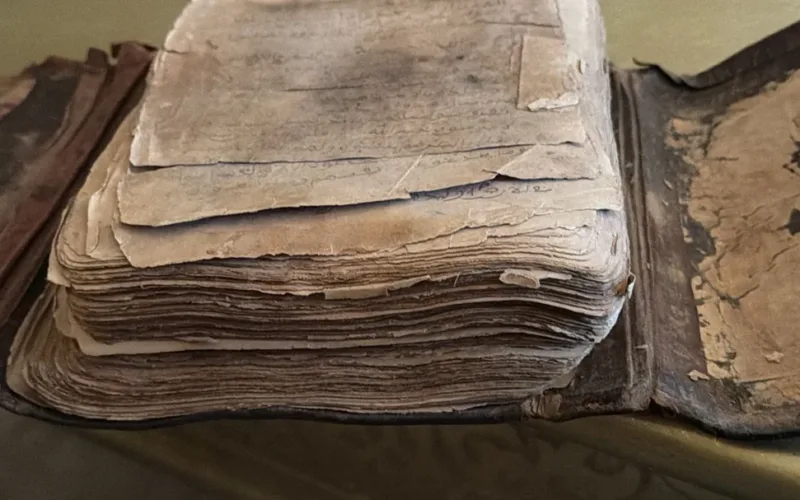
The Quran opens with Surah al-Fatiha and the beginning of Surah al-Baqara, running the full length of the text through to the short surahs at the end — a complete manuscript, not a fragment.
Every line was copied in ink by hand, and the full vocalization has been preserved, with vowel marks written in red and other colors to distinguish them from the main text.
A Binding From the Maghrebi Tradition
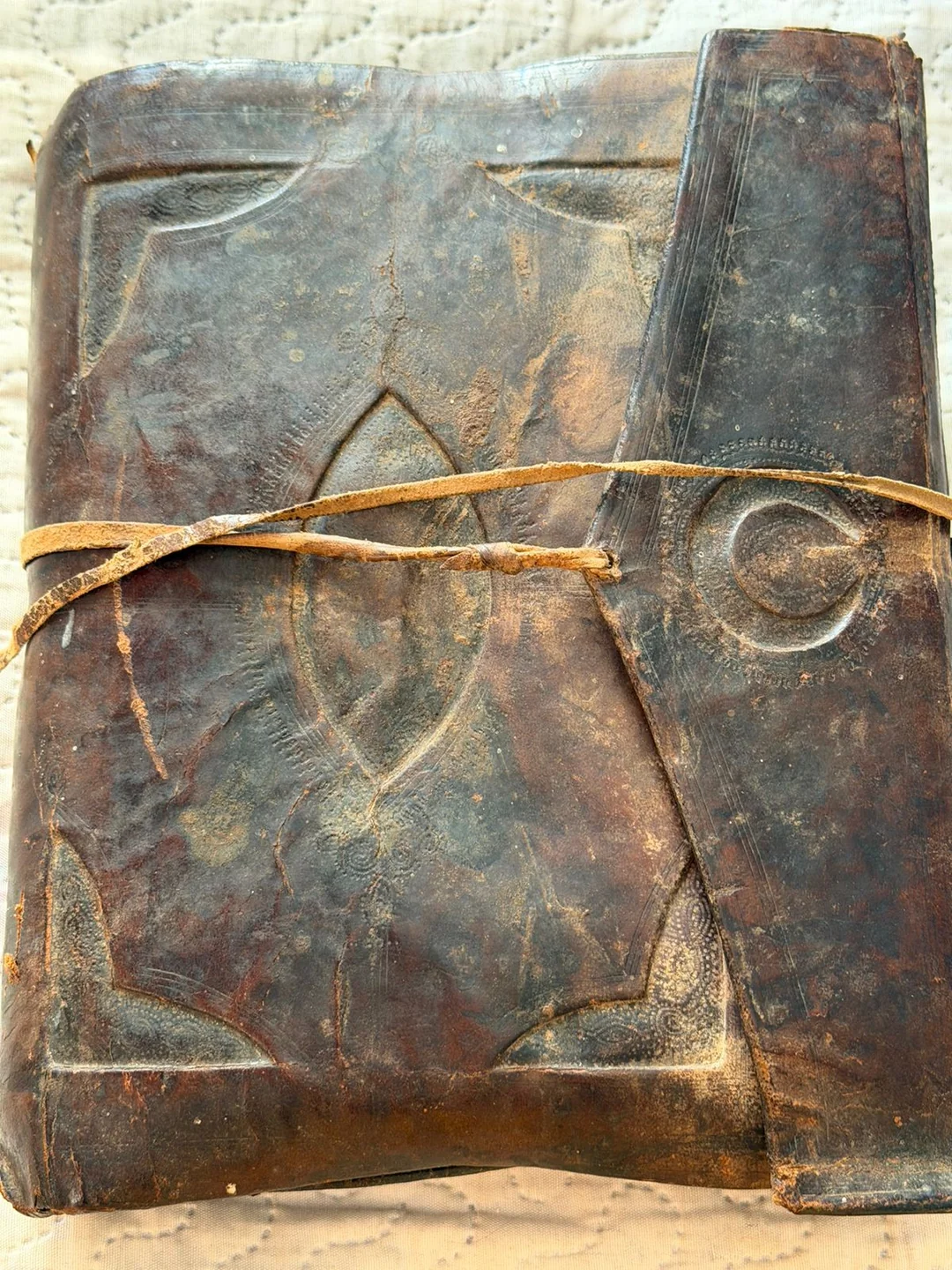
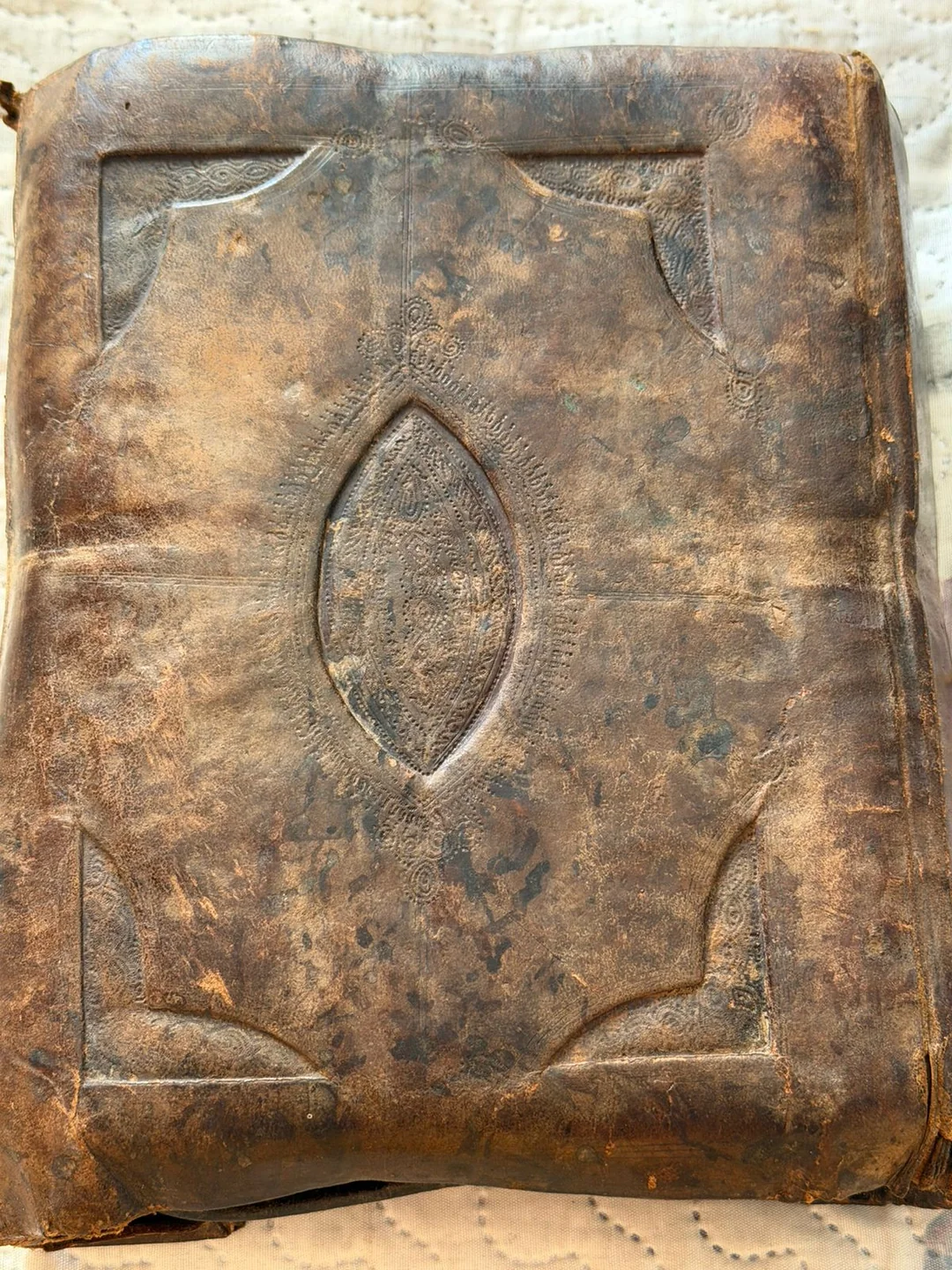
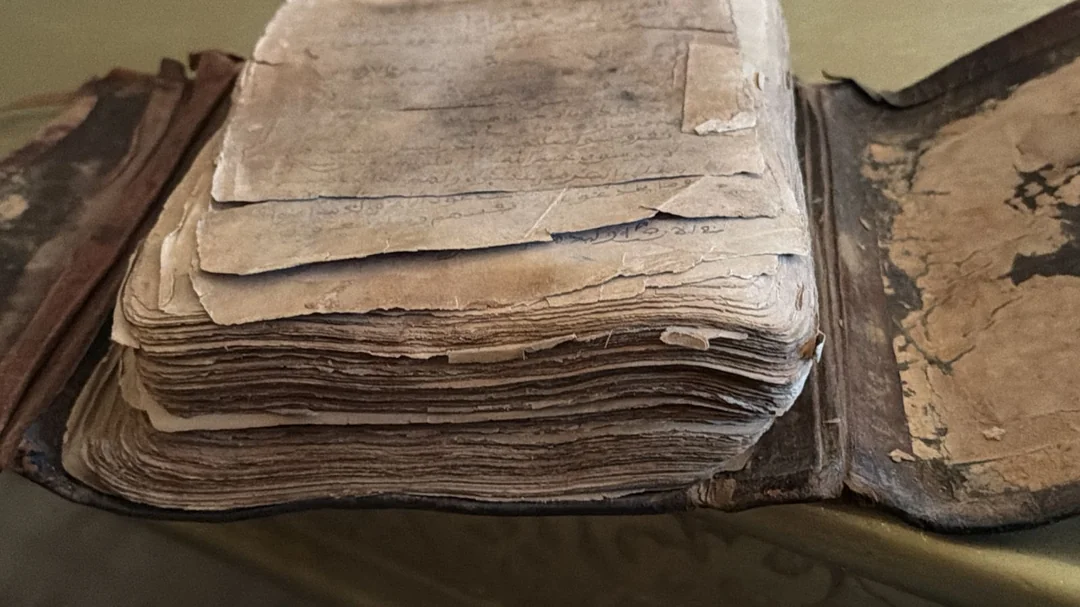
The cover tells as much of the story as the pages inside. It is made from soft leather with tooled decoration, and closes using a folding flap that wraps around the book and ties shut — a binding style long associated with Moroccan and Maghrebi manuscript production.
At the center of the cover sits a pressed almond-shaped medallion, a design feature found across North African Quran bindings for centuries.
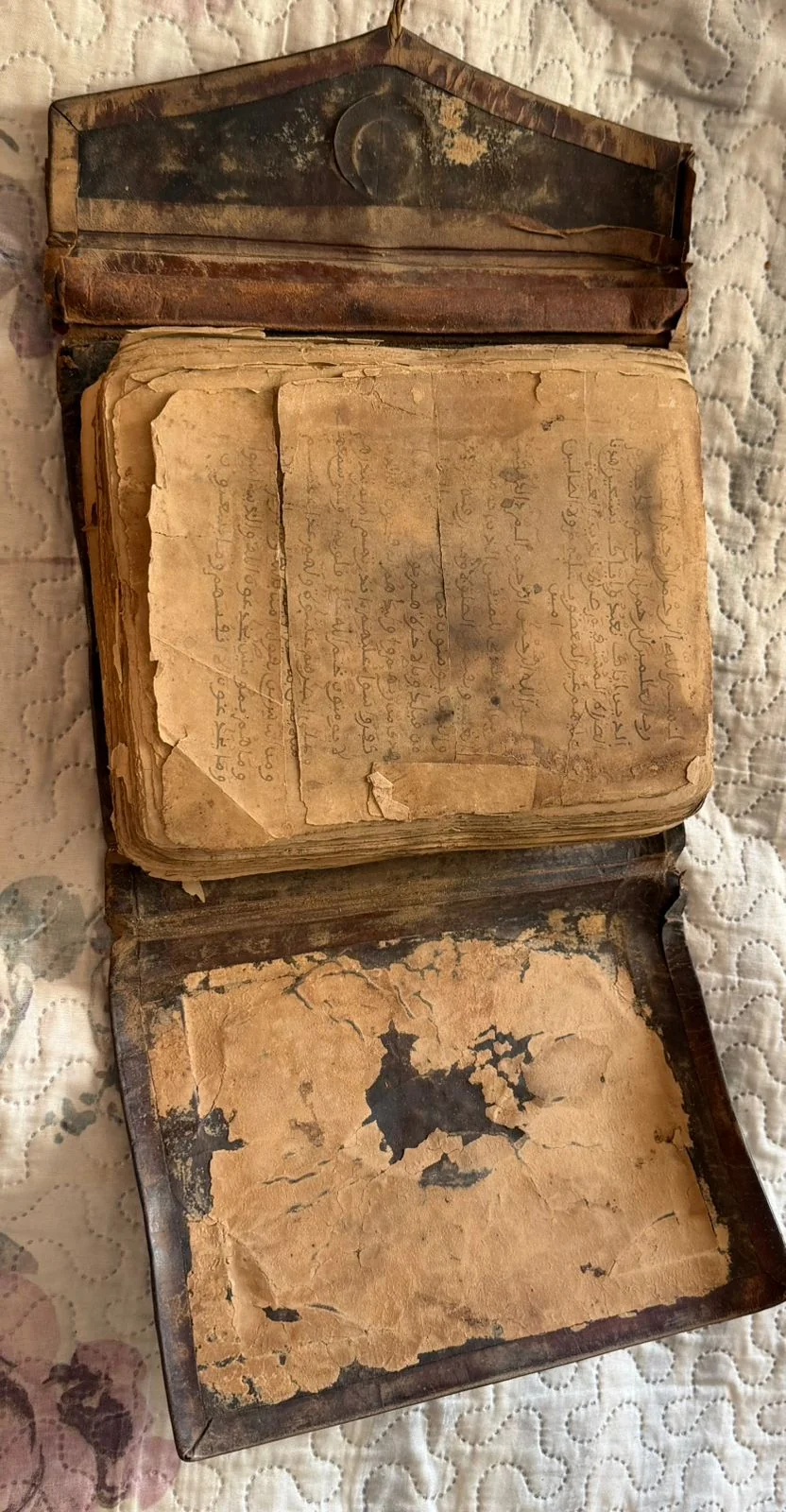
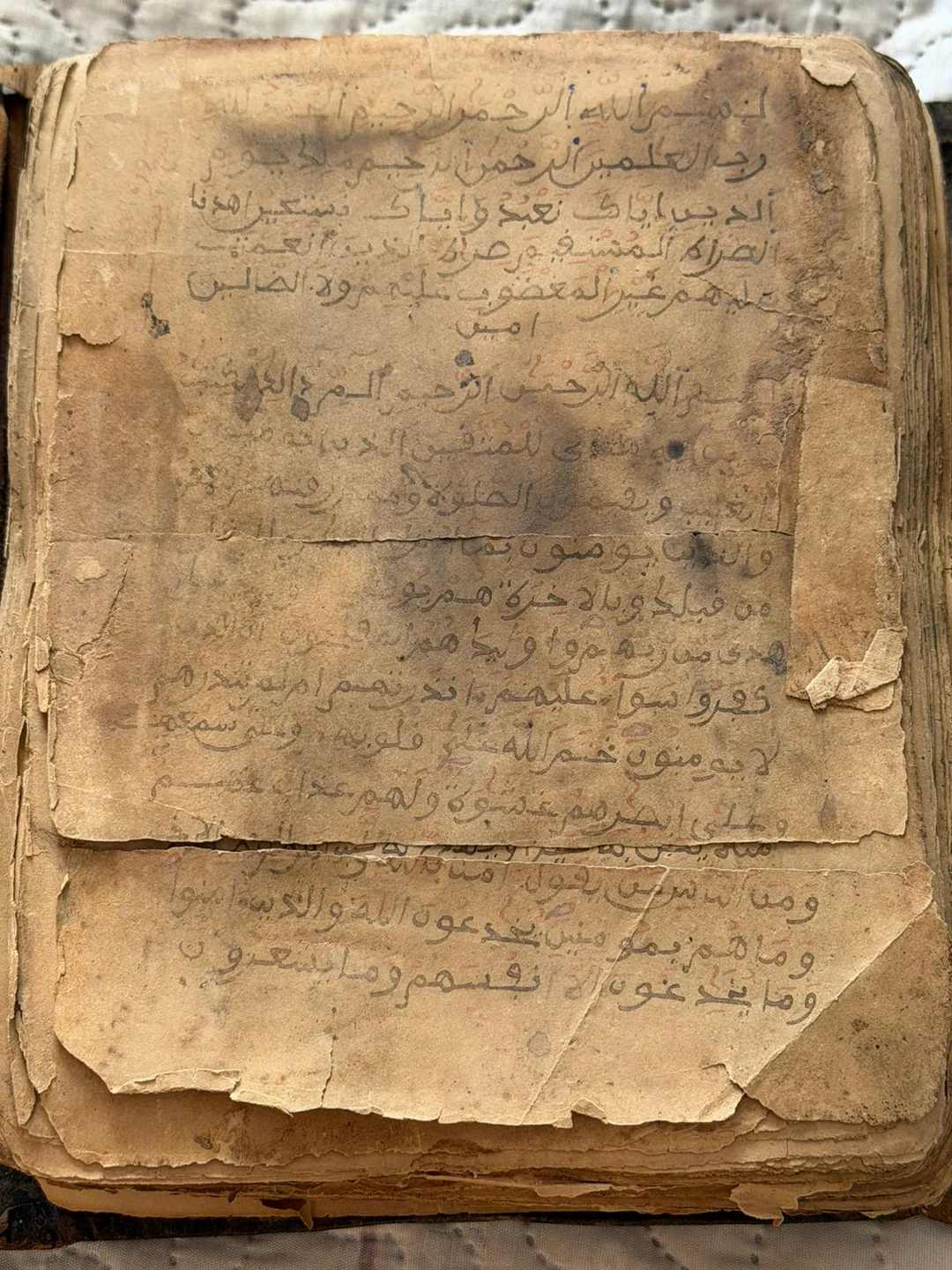
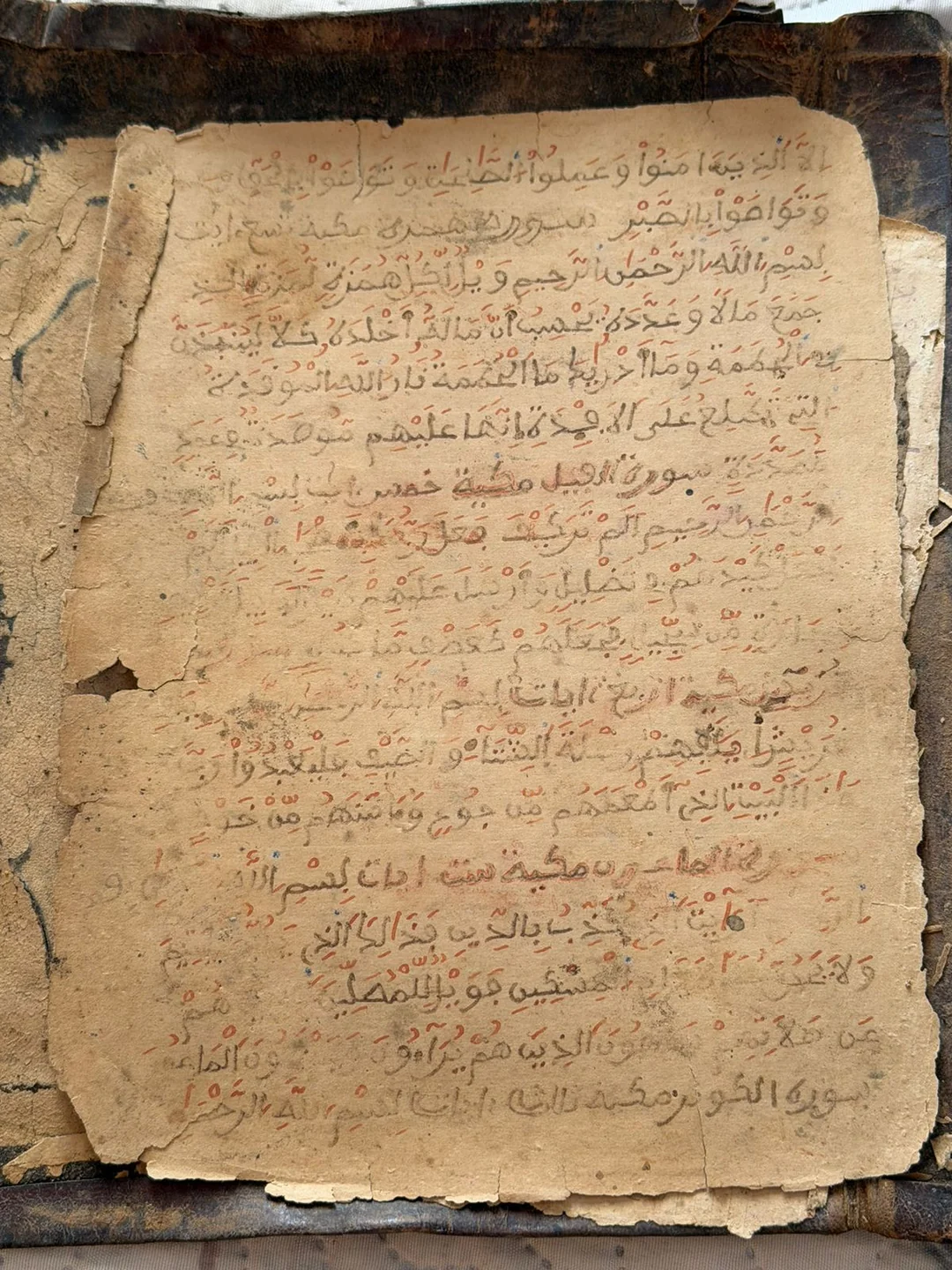
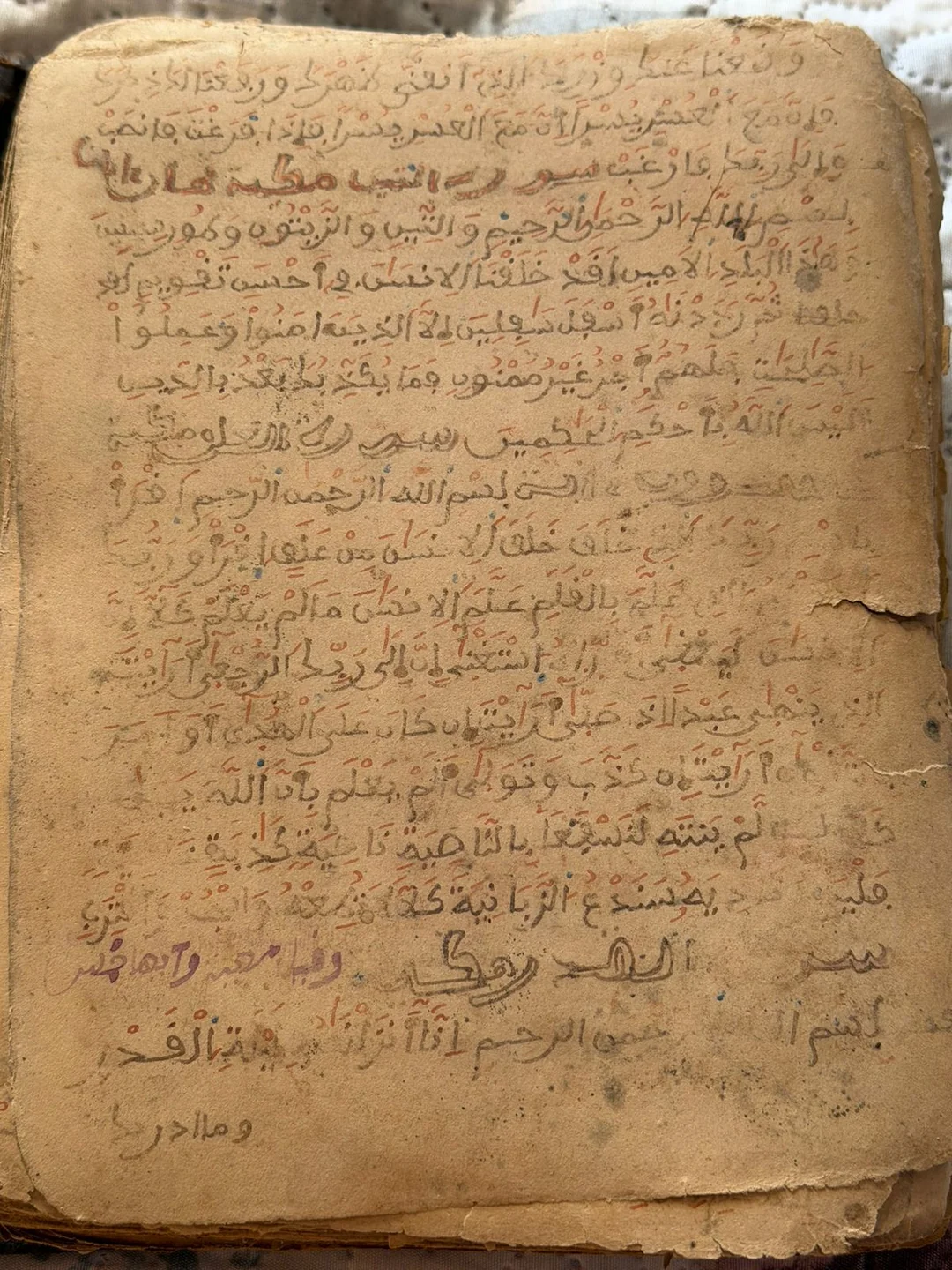
Maghrebi script is characterized by large, rounded curved letters, and manuscripts in this tradition are typically written in dark brown or black ink with colored diacritical marks. The red vowel marks in this family Quran align with that practice, as does the use of additional colors for different types of vocalization markers.
These vocalization markings indicate inflection, glottal stops, and other features that remove ambiguity from the text — allowing the reader to follow one of the recognized canonical recitations of the Quran.
Centuries of Handling
The manuscript shows visible signs of long use. The user described it as “clearly very old and well-worn, carried and read by people long before me.” It has passed through the hands of generations of one family, who turned to it for recitation and study.
In the Islamic tradition, calligraphy is considered the highest form of sacred art, and the scribes who copied the Quran were among the most revered craftsmen in the Muslim world.
A fully vocalized handwritten copy — complete from al-Fatiha to the final surahs — would have required considerable skill and time to produce.
The user ended his post with a prayer: “May Allah accept the recitation of everyone who reads the Quran.”


 WhatsApp Channel
 ChatGPT
 Instagram
 Facebook
 X (Twitter)
 Claude
 Ask Gemini AI
 Ask Grok AI
Support the officially authentic Islamic website.
Support our mission to spread Islamic knowledge. Your donation helps our volunteer writers and infrastructure. Contribute now.

