
Saudi Initiative Turns Used Ihrams Into Bags, Pillows and Souvenirs

Key Takeaways
- Over 211 tons of ihram textiles have been diverted from landfills through the Sustainable Ihram initiative
- More than 5,000 products have been made from recycled fabrics in the past year
- The program created 30 seasonal jobs and empowered 25 seamstresses from productive families
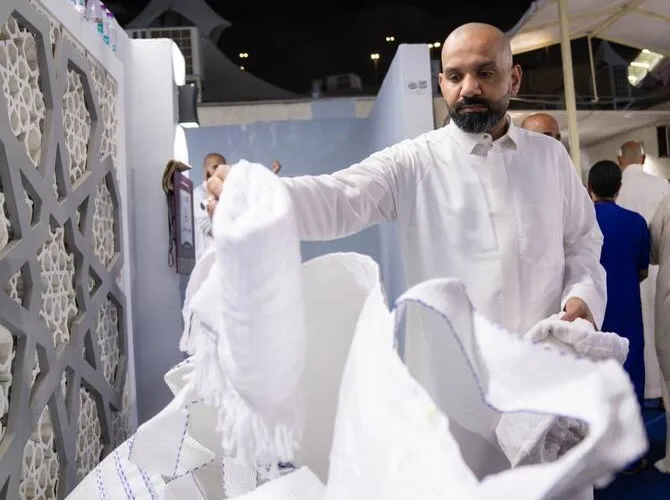
Saudi Arabia’s National Center for Waste Management is collecting used ihrams from pilgrims at the holy sites, cleaning them, and turning them into new products — keeping tonnes of textile waste out of landfills each Hajj season.
Sultan Al-Harthi, the center’s spokesperson, said the Sustainable Ihram initiative has produced more than 5,000 products from recycled fabrics over the past year.
These include bags, pillows, covers, and souvenirs — all manufactured from garments that pilgrims leave behind after completing their rituals.
How the Process Works
Used ihrams are gathered from designated collection points across the holy sites. From there, they go through a sorting process before being cleaned and sterilized under strict health standards.
Al-Harthi said no materials enter production until they have passed every stage of the sterilization process.
The center has built the initiative on partnerships with 22 entities across the government, private, and non-profit sectors, which Al-Harthi credits as a key factor in keeping the operation running.
Environmental and Economic Returns
More than 211 tons of textiles have been kept out of landfills, which the center says has contributed to a reduction in carbon emissions during the Hajj season.
Recycling the materials has also cut transportation and landfill costs while generating value from recovered fabric.
At the employment level, the initiative created 30 seasonal jobs and supported 25 seamstresses from productive families, giving women from lower-income households a direct role in the production process.
Awareness Among Pilgrims
Al-Harthi noted that the rate at which pilgrims are voluntarily donating their ihrams has risen each season, which he took as a sign of growing environmental awareness. Over 200,000 people engaged with awareness campaigns tied to the initiative.
The center is also working on a separate effort to convert surplus food from the holy sites into organic compost, part of a wider push to apply circular economy principles across the Hajj season.
Al-Harthi said the program shows that waste can be converted into useful resources when clear systems and strong partnerships are in place — and that the model could be applied to other sectors across the Kingdom.


 WhatsApp Channel
 ChatGPT
 Instagram
 Facebook
 X (Twitter)
 Claude
 Ask Gemini AI
 Ask Grok AI
Support the officially authentic Islamic website.
Support our mission to spread Islamic knowledge. Your donation helps our volunteer writers and infrastructure. Contribute now.

