
Al-Rabadhah: Where Umar ibn al-Khattab (RA) Established a Grazing Area

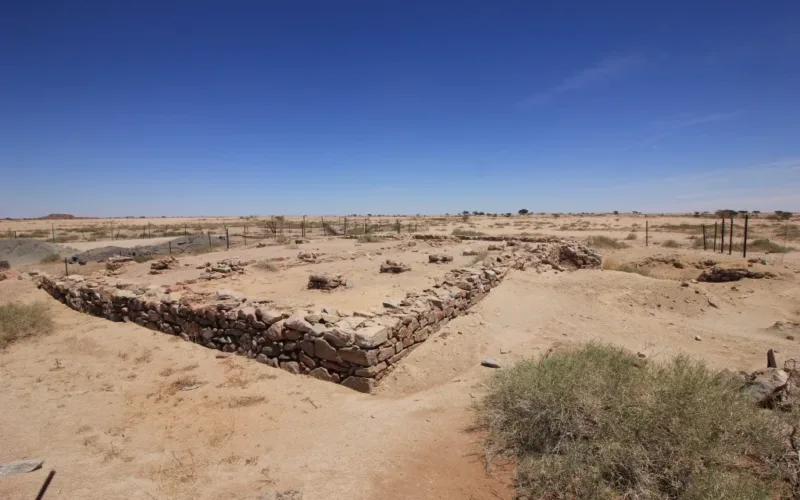
About 200 kilometres east of Madinah, near Al-Hinakiyah in the Madinah Region, lies an ancient site known as Al-Rabadhah.
Today, Al-Rabadhah is an archaeological site, but its history goes back to the early centuries of Islam. The site began as a protected grazing area and later developed into an important settlement and stopping point for people travelling across the Arabian Peninsula.
Where Is Al-Rabadhah?
Al-Rabadhah is located near Al-Hinakiyah in the Madinah Region of Saudi Arabia, around 200 kilometres from Madinah.
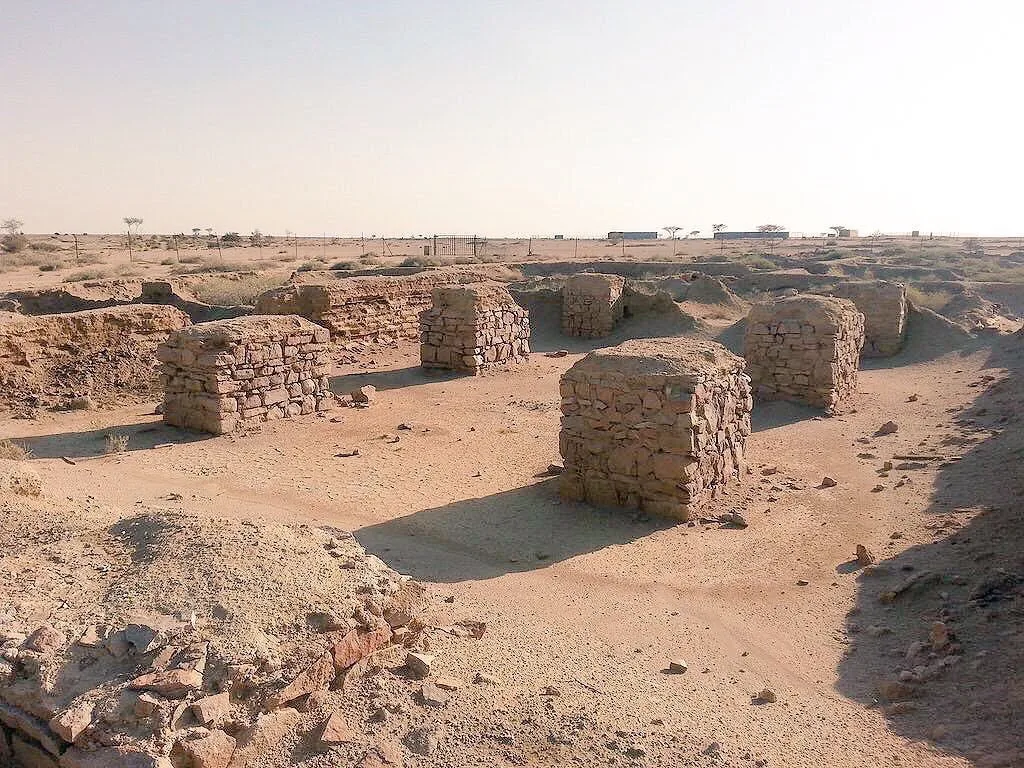
Its location was important because it stood along the historic route linking Kufa in Iraq with Makkah. This route became known as Darb Zubaydah and was one of the major pilgrimage routes used by travellers heading toward the holy cities.
Al-Rabadhah During the Time of Umar ibn al-Khattab RA
The early history of Al-Rabadhah is closely connected with its role as a protected grazing area.
The land around the site was suitable for grazing camels and horses. Saudi historical sources state that it was a protected area, or “hima”, during the early Islamic period, and that Umar ibn al-Khattab RA organised its protection and administration.
This makes Al-Rabadhah particularly interesting. What later became a developed settlement began as land set aside to protect grazing resources.
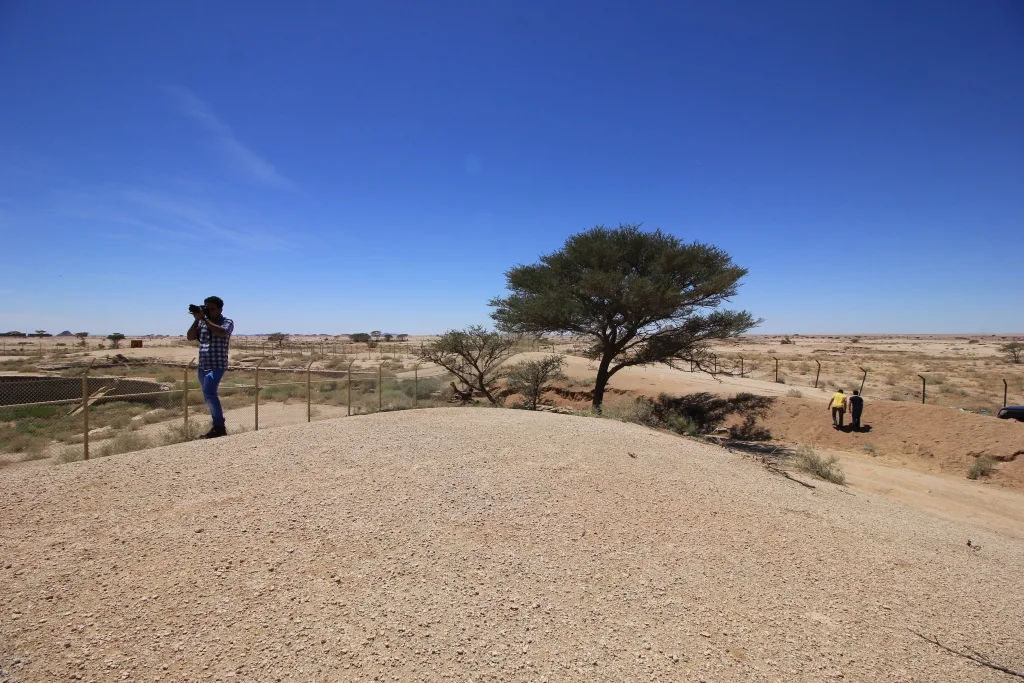
How Al-Rabadhah Became a Settlement
Over time, Al-Rabadhah grew beyond its original purpose.
Archaeological excavations have uncovered remains of homes, large buildings, markets, manufacturing areas, storage facilities, mosques and underground water tanks. Researchers have also found pottery, ceramics, glass, metal objects, jewellery, coins and inscriptions.
These discoveries show that Al-Rabadhah was not simply a place where travellers stopped briefly. It developed into a functioning community with residential, commercial and industrial activity.
Al-Rabadhah and the Pilgrimage Route to Makkah
One of the main reasons for Al-Rabadhah’s growth was its location on the historic Kufa-Makkah pilgrimage route.
Known as Darb Zubaydah, the route crossed large stretches of the Arabian Peninsula and provided pilgrims with places to rest, obtain water and continue their journeys. Al-Rabadhah became one of its important stations.
Water was especially important in this environment. Archaeological work has uncovered water-storage facilities at Al-Rabadhah, while studies of Darb Zubaydah have documented reservoirs, pools and other structures built to collect and store water for travellers.
Abu Dharr al-Ghifari RA and Al-Rabadhah
Al-Rabadhah is also strongly associated with the Companion Abu Dharr al-Ghifari RA.
Historical sources record that Abu Dharr lived at Al-Rabadhah toward the end of his life. Classical historical accounts describe him being at Al-Rabadhah and dying there, while later Islamic sources also connect him closely with the settlement.
This association gives Al-Rabadhah another important place in early Islamic history.
What Has Been Discovered at Al-Rabadhah?
Archaeological excavations have revealed a wide range of remains from the settlement.
Researchers have found:
- Residential buildings
- Large houses and palatial structures
- Mosques
- Markets
- Manufacturing areas
- Storage facilities
- Underground water tanks
- Pottery and ceramics
- Glass and metal objects
- Coins and jewellery
- Islamic inscriptions
Among the discoveries are also glass objects used for storing liquids, food and other goods, showing that Al-Rabadhah had connections with wider trade networks.
When Was Al-Rabadhah Abandoned?
Al-Rabadhah remained inhabited for several centuries.
Saudi heritage sources state that life at the site continued from the beginning of the early Islamic period until 319 AH, corresponding to 917 CE. The settlement was then abandoned and its inhabitants left.
The ruins that remain today provide evidence of the long period during which Al-Rabadhah served as a place for settlement, trade and pilgrimage travel.
Why Is Al-Rabadhah Important?
Al-Rabadhah brings together several parts of early Islamic history in one location.
It was a protected grazing area associated with the time of Umar ibn al-Khattab RA. It later developed into a settlement with homes, markets, mosques and water facilities. Its position on the pilgrimage route to Makkah made it an important stop for travellers, and its connection with Abu Dharr al-Ghifari RA adds another significant historical dimension.
Its archaeological remains also help researchers understand how early Muslim communities lived, traded and managed water in the Arabian desert.
Can Al-Rabadhah Be Visited Today?
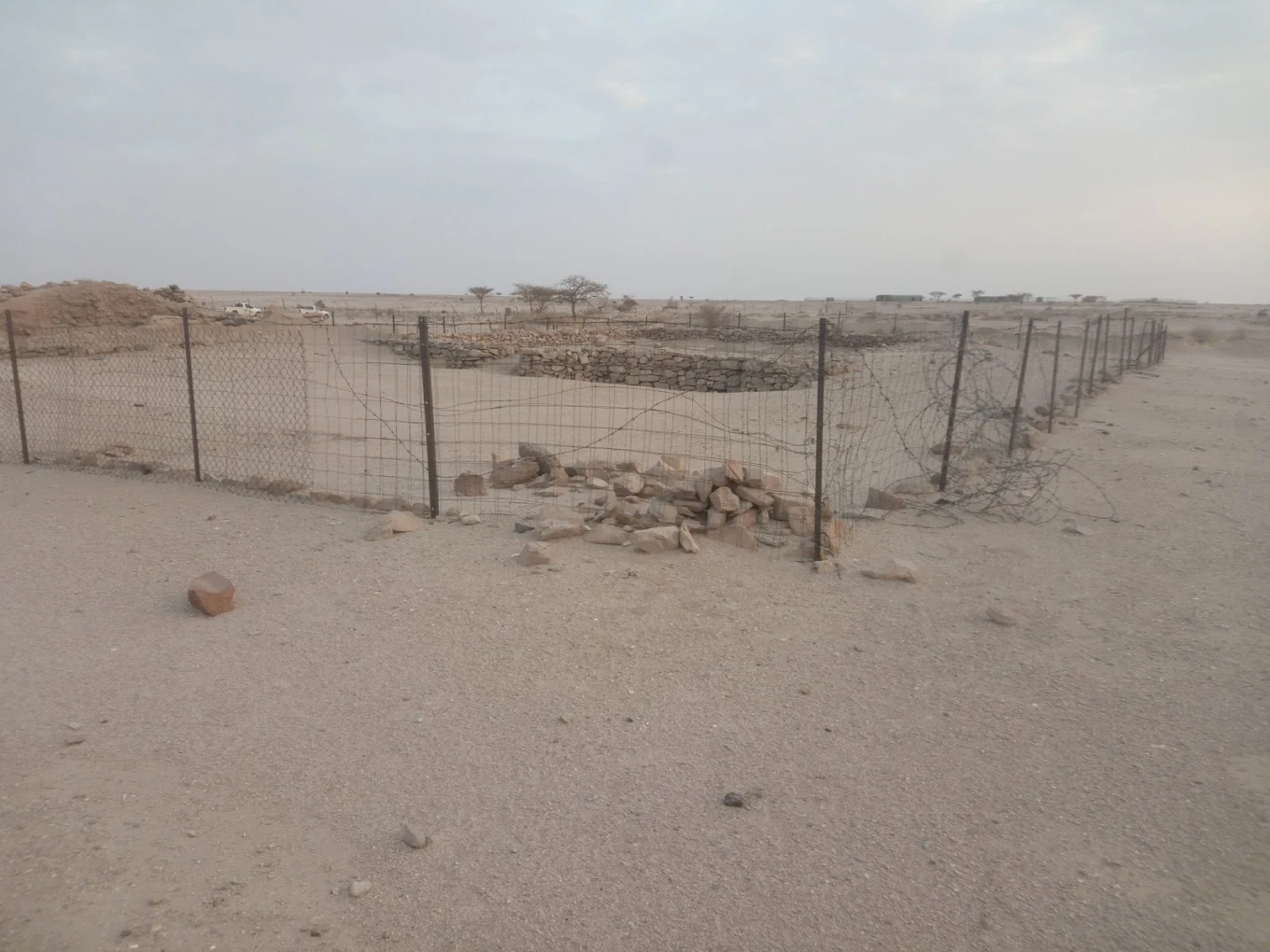
The archaeological remains of Al-Rabadhah still exist today.
As a remote heritage site, visitors should check current access arrangements, directions and any requirements before travelling.
Al-Rabadhah is a reminder that early Islamic history was not limited to major cities. Across the desert, settlements such as this one supported communities and helped pilgrims make long journeys toward Makkah.
Today, its ruins preserve part of that story.


 WhatsApp Channel
 ChatGPT
 Instagram
 Facebook
 X (Twitter)
 Claude
 Ask Gemini AI
 Ask Grok AI
Support the officially authentic Islamic website.
Support our mission to spread Islamic knowledge. Your donation helps our volunteer writers and infrastructure. Contribute now.

