
Saudi Arabia Sets New Hajj 2027 Accommodation Rules

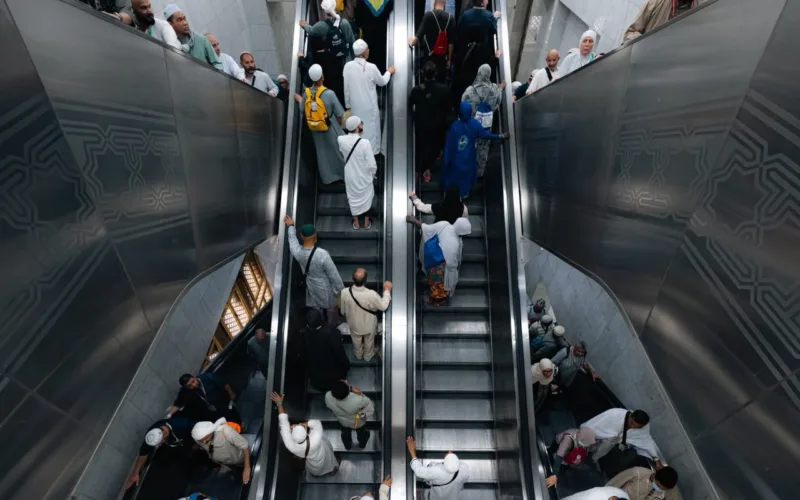
- Hajj accommodation in Makkah and Madinah will be classified as economy or first class, each with its own standards.
- Facilities face inspections before licensing, before opening, and during operation.
- Operators seeking 2027 licences must finish maintenance work before applying.
Saudi Arabia has approved revised regulations for accommodation facilities hosting Hajj pilgrims, as preparations begin for the 2027 pilgrimage season.
The Ministry of Tourism said the updated rules cover licensing, classification standards and violations for facilities in Makkah and Madinah.
Two Accommodation Categories
Under the new system, Hajj accommodation facilities will be divided into economy and first class.
Each category carries specific requirements for common spaces, guest rooms, reception facilities, cleanliness, maintenance and guest services.
Inspections at Every Stage
Facilities will be assessed before licensing, before beginning operations and throughout their operating period.
The ministry said this approach ensures providers keep up compliance and service standards for the full Hajj season.
Safety and Maintenance Requirements
The updated rules focus on operational preparedness, safety and maintenance, along with continuity of essential services.
Operators must complete the required preparations and maintenance work before submitting applications to serve pilgrims during the 2027 Hajj season.
The ministry has also approved a schedule of violations for Hajj accommodation facilities, giving regulators a basis for acting on non-compliance.
Operators Told to Prepare Early
Ministry spokesperson Nasr Alansari said the revised rules are meant to strengthen the regulatory and operational side of Hajj accommodation and make sure facilities are ready before receiving pilgrims. The ministry urged operators applying for 2027 licences to start preparations early and finish maintenance and other required work before submitting applications.
Saudi authorities described serving pilgrims as a shared national responsibility backed by a long-standing tradition. The ministry said the new standards are designed to give pilgrims a safe, organised and high-quality hospitality experience.


 WhatsApp Channel
 ChatGPT
 Instagram
 Facebook
 X (Twitter)
 Claude
 Ask Gemini AI
 Ask Grok AI
Support the officially authentic Islamic website.
Support our mission to spread Islamic knowledge. Your donation helps our volunteer writers and infrastructure. Contribute now.

