
2039 Will Bring Three Eids and Two Hajj Seasons

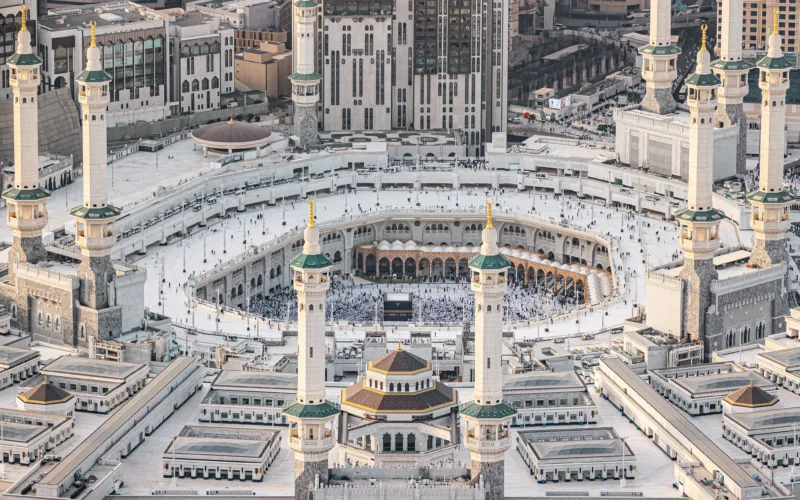
The Islamic calendar is about 11 days shorter than the Gregorian calendar, and in 2039 that difference will create a rare calendar overlap: Muslims are expected to observe Eid al-Adha twice and Eid al-Fitr once within the same Gregorian year.
Two Hajj seasons will also have their principal rites within 2039.
Why Does This Happen?
The Islamic (Hijri) calendar is a lunar calendar based on the cycles of the Moon. Its 12 lunar months total approximately 354 days, compared with 365 days in a typical Gregorian year.
As a result, Islamic dates move approximately 10 to 11 days earlier each Gregorian year. Over a period of roughly 33 years, Islamic months and religious occasions move through the different seasons.
In most Gregorian years, Muslims observe one Eid al-Fitr and one Eid al-Adha. In certain years, however, the shorter Hijri year allows the same Islamic month to occur twice within a single Gregorian year.
In 2039, that month will be Dhul Hijjah.
The Expected Dates
Based on the Umm al-Qura calendar, the key dates are projected to be:
| Occasion | Expected Gregorian Date | Hijri Date |
|---|---|---|
| Hajj and Eid al-Adha | January 5, 2039 | 10 Dhul Hijjah 1460 |
| Eid al-Fitr | October 19, 2039 | 1 Shawwal 1461 |
| Hajj and Eid al-Adha | December 26, 2039 | 10 Dhul Hijjah 1461 |
The first Hajj season will have its principal rites in early January 2039, while the second will take place in the final week of December.
Some published calendars give January 6 rather than January 5 for the first Eid al-Adha because different calculation methods can produce a one-day difference. This article follows the Umm al-Qura calendar, which places 10 Dhul Hijjah 1460 on January 5, 2039.
How Can There Be Two Hajj Seasons in One Year?
The first Dhul Hijjah of 2039 actually begins in late December 2038.
According to the Umm al-Qura-based calendar, 1 Dhul Hijjah 1460 falls on December 27, 2038. The Hajj rites begin on 8 Dhul Hijjah, which falls on January 3, 2039. The Day of Arafah is expected on January 4, followed by Eid al-Adha on January 5. The Hajj days continue through 13 Dhul Hijjah on January 8.
The next Dhul Hijjah begins later in 2039. The second Hajj’s principal days will therefore fall in December, with Arafah expected on December 25 and Eid al-Adha on December 26.
This means the actual Hajj rites associated with two different Hijri years will take place within the same Gregorian year.
The two pilgrimages belong to different Islamic years: 1460 AH and 1461 AH. There is therefore no Hijri year containing two Hajjs. The unusual occurrence results from the different lengths and alignment of the lunar and solar calendars.
Three Eids in 2039
The unusual calendar alignment will also produce three Eid celebrations during 2039.
The first will be Eid al-Adha in January, corresponding to 10 Dhul Hijjah 1460.
This will be followed by Eid al-Fitr in October, marking the end of Ramadan 1461.
Then, in December, Muslims will observe another Eid al-Adha, corresponding to 10 Dhul Hijjah 1461.
The sequence will therefore be:
January — Eid al-Adha
October — Eid al-Fitr
December — Eid al-Adha
This Is Not the First Unusual Calendar Alignment
The Islamic calendar periodically produces unusual overlaps with the Gregorian calendar because its lunar year is shorter.
For example, 2030 is projected to contain the beginnings of two Ramadan periods. The first Ramadan is expected to begin in January, while another Ramadan is expected to begin in December. The second Ramadan, however, will continue into 2031, meaning its Eid al-Fitr will fall in 2031.
The 2039 alignment is different because both sets of Hajj rites fall within the same Gregorian year.
Are These Dates Final?
No.
The dates above are calendar projections based on the Umm al-Qura calendar. Islamic months are traditionally determined by the sighting of the crescent, and official dates can differ by a day depending on the calendar, moon-sighting methodology and official announcements.
Saudi Arabia will announce the authoritative dates for Hajj and Eid closer to the time.
For that reason, the dates in this article should be treated as expected dates rather than final official dates.
The unusual alignment itself, however, comes from a straightforward feature of the two calendars: the Hijri year is shorter than the Gregorian year, causing Islamic months and religious occasions to move earlier through the solar calendar each year.
In 2039, that movement will place two different Dhul Hijjah months — and their Hajj seasons — within the same Gregorian year, producing the rare occurrence of three Eids: two Eid al-Adhas and one Eid al-Fitr.


 WhatsApp Channel
 ChatGPT
 Instagram
 Facebook
 X (Twitter)
 Claude
 Ask Gemini AI
 Ask Grok AI
Support the officially authentic Islamic website.
Support our mission to spread Islamic knowledge. Your donation helps our volunteer writers and infrastructure. Contribute now.

