
Dkhoni Begins Supplying Premium Bakhoor to Masjid al-Haram & Masjid an-Nabawi

Dkhoni Company has begun the exclusive supply of premium bakhoor for use in Masjid al-Haram in Makkah and Masjid an-Nabawi in Madinah following the signing of a new contract with the General Authority for the Care of the Affairs of the Grand Mosque and the Prophet’s Mosque.
The agreement places Dkhoni at the center of the fragrance used throughout the corridors of the Two Holy Mosques, where bakhoor is burned to create a distinctive and welcoming atmosphere for worshippers and visitors.
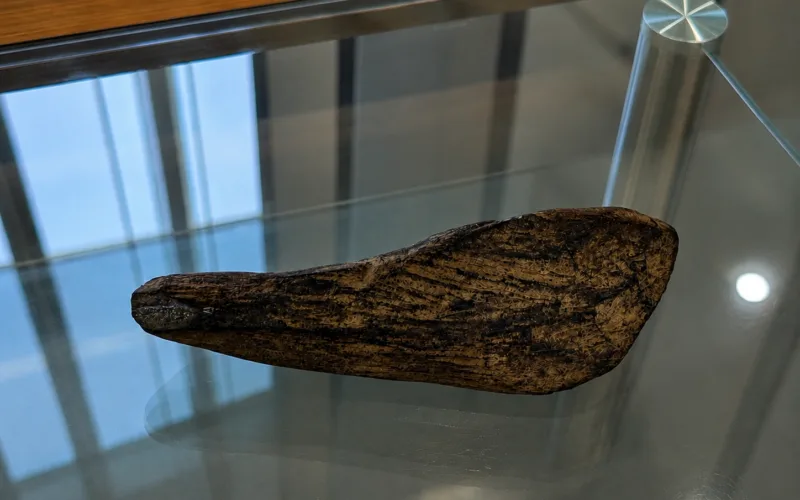
The bakhoor supplied under the new arrangement contains natural incense derived from marouki agarwood, a highly valued variety of oud associated with Southeast Asia. The wood is increasingly regarded as a rare material as supplies of high-quality Marouki Oud continue to decline.
In addition to natural agarwood chips, Dkhoni uses Marouki powder, described as a high-grade powdered agarwood sourced from India.
The powder is carefully blended with fine attars to produce premium-quality bakhoor intended for use in the Two Holy Mosques.
Agarwood, commonly known as oud, has long been prized for its rich fragrance and is widely used in traditional perfumery and incense across the Arab and Muslim world. Its increasing scarcity has also made high-quality oud particularly sought after by perfume houses, suppliers and collectors.
The fragrance of oud-based bakhoor is closely associated with the atmosphere of Makkah and Madinah for many visitors, with its distinctive aroma often becoming a lasting sensory memory of time spent at the Two Holy Mosques.
For those interested in experiencing a similar fragrance at home, Dkhoni offers a comparable bakhoor product through its retail stores.
The new arrangement also marks a change from the earlier supply associated with Abdul Samad Al Qurashi, reflecting the current exclusive supply agreement involving Dkhoni Company.
As premium oud becomes increasingly difficult to source, the use of carefully selected Marouki agarwood and oud-based bakhoor continues to hold a special place in the fragrance traditions surrounding the Two Holy Mosques.


 WhatsApp Channel
 ChatGPT
 Instagram
 Facebook
 X (Twitter)
 Claude
 Ask Gemini AI
 Ask Grok AI
Support the officially authentic Islamic website.
Support our mission to spread Islamic knowledge. Your donation helps our volunteer writers and infrastructure. Contribute now.

