
Hajj 2026: Pilgrims To Get Pre-Packed Pebble Bags Across Muzdalifah and Mina for Hajj

Key Takeaways
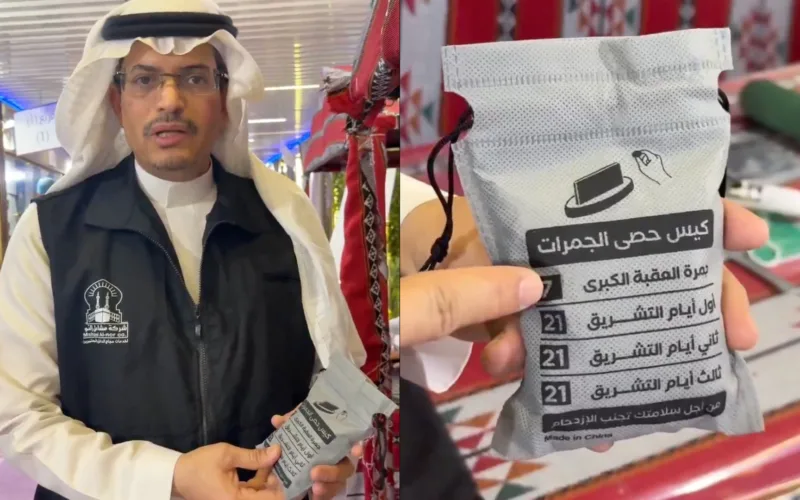
- Pilgrims arriving in Mina and Muzalifa for Hajj 2026 will find pre-packed pebble bags ready for collection — no gathering of stones needed
- Kidana Development Company will distribute the bags at over 300 points across Muzdalifah and Mina
- Used pebbles are collected, washed, and recycled back into the system each year
One of the quieter acts of care built into Hajj 2026 is this: when pilgrims arrive in Mina, they do not need to search for or collect pebbles for the Jamarat ritual. The bags are already there, ready to use.
Bags Ready Before Pilgrims Arrive
Kidana Development Company, which manages the holy sites, prepares the pebble bags in advance and distributes them at over 300 contact points along the walking routes in Muzdalifah and Mina.
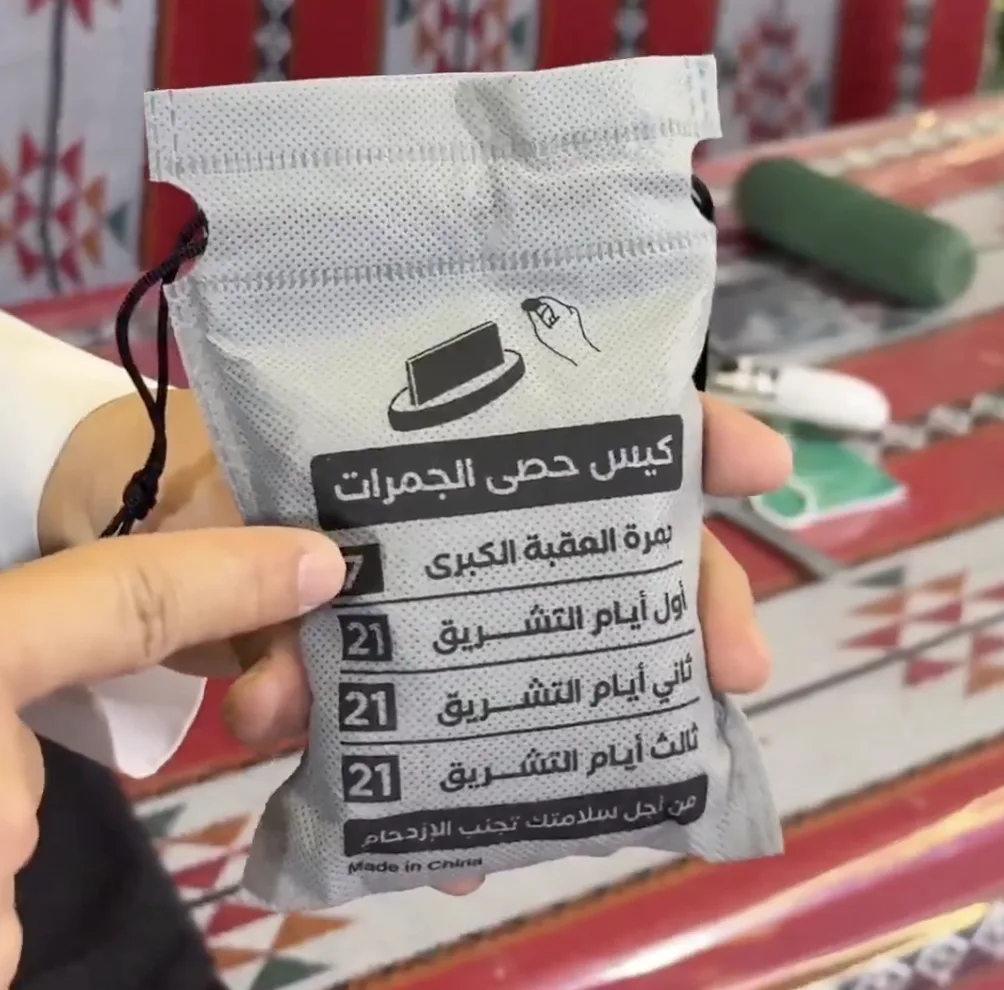
Pilgrims can pick up a bag on their way and proceed directly to the Jamarat Bridge without stopping to gather stones from the ground — a small relief during one of Hajj’s most physically demanding days.
The Jamarat ritual requires pilgrims to throw seven pebbles at the largest pillar on the 10th of Dhul Hijjah, then return on subsequent days to stone all three pillars.
The total pebble count runs from 49 to 70 depending on whether a pilgrim stays in Mina for three or four days.
The pebbles thrown by pilgrims fall into the Jamarat facility’s basement — 15 metres deep — where conveyor belts collect them.
They are then sifted, washed to remove impurities, and transferred to storage vehicles before being repackaged and redistributed. The cycle repeats throughout the days of Hajj.
Its integrated operating system includes 340 escalators and 682 digital surveillance cameras to monitor crowd density, alongside 228 golf carts allocated to support pilgrim and staff movement within the facility.
Entry and exit at the Jamarat Bridge are managed through RFID-based Nusuk cards and digital crowd-tracking systems operated by the Saudi Data and AI Authority.


 WhatsApp Channel
 ChatGPT
 Instagram
 Facebook
 X (Twitter)
 Claude
 Ask Gemini AI
 Ask Grok AI
Support the officially authentic Islamic website.
Support our mission to spread Islamic knowledge. Your donation helps our volunteer writers and infrastructure. Contribute now.

