

Key Takeaways
- Temperatures will peak between 44°C and 47°C before Arafah, dropping slightly to 42°C–44°C from May 26 onward
- Strong winds of 15–40 km/h are expected to trigger significant dust and sandstorms during daytime hours
- High humidity — up to 55% — will compound heat danger by blocking the body’s ability to cool itself through sweat
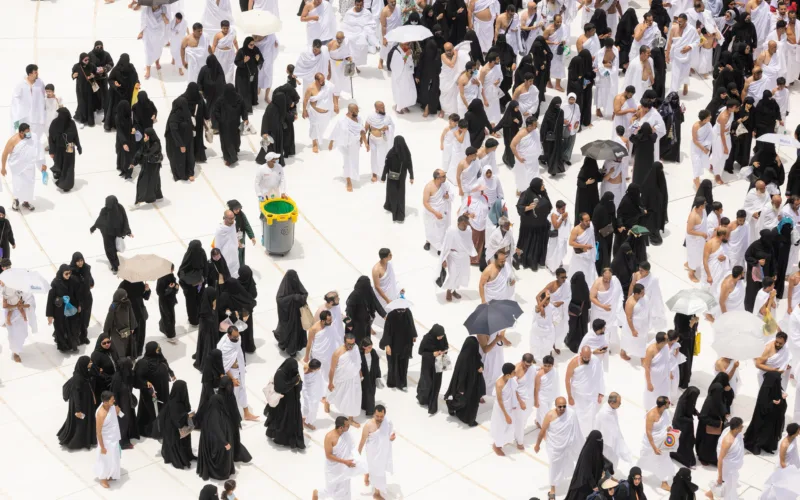
Pilgrims performing Hajj in 2026 will encounter some of the most challenging weather conditions recorded in the pilgrimage recent history.
The Saudi National Center for Meteorology has forecast daytime highs of up to 47°C across Makkah and the surrounding holy sites during the peak days of Hajj 2026, with conditions expected to remain dangerous throughout the season.
From the start of Hajj 2026 through Yawm al-Tarwiyah on May 25, temperatures will peak between 44°C and 47°C during the day. Nighttime offers limited relief, with lows between 28°C and 31°C — still well above comfortable sleeping temperatures.
From May 26, which covers Yawm al-Arafah and the days of Ayyam al-Tashreeq, daytime highs are forecast to ease slightly to between 42°C and 44°C. Nighttime lows during this period will range from 26°C to 29°C.
| Period | Key Days | Daytime High | Nighttime Low |
|---|---|---|---|
| Up to May 25 | Yawm al-Tarwiyah | 44°C – 47°C | 28°C – 31°C |
| May 26 – May 30 | Arafah, Ayyam al-Tashreeq | 42°C – 44°C | 26°C – 29°C |
Beyond the heat, surface winds between 15 and 40 km/h are forecast across the holy sites throughout Hajj 2026. These winds are strong enough to lift significant quantities of dust and sand into the air, particularly during daytime hours.
Pilgrims with respiratory conditions, asthma, or eye sensitivities face added risks and should carry protective masks or coverings.
The forecast humidity range of 10% to 55% may not sound alarming, but at the higher end of that range, humidity becomes a serious health threat. When air holds significant moisture, sweat cannot evaporate from the skin efficiently.
This neutralises the body’s primary cooling mechanism, making even moderate physical activity — such as walking between the holy sites — capable of causing rapid heat exhaustion or heatstroke.
The Saudi Ministry of Health has positioned dedicated heatstroke treatment units across Mina, Arafah, and Makkah.
Over 400 misting and cooling stations have been installed across the holy sites, and the shaded and cooled area at Arafat has been expanded to more than 272,000 square metres — five times the previous footprint.


 WhatsApp Channel
 ChatGPT
 Instagram
 Facebook
 X (Twitter)
 Claude
 Ask Gemini AI
 Ask Grok AI
Support the officially authentic Islamic website.
Support our mission to spread Islamic knowledge. Your donation helps our volunteer writers and infrastructure. Contribute now.

