
Hajj 2026: Indonesia To Provide 3 Million Self-Heating Meals for Hajj Pilgrims

Key Takeaways
- Indonesia will supply around 3 million ready-to-eat meal packages for roughly 200,000 pilgrims over six days during the peak Hajj phase
- A new heatless technology uses a chemical reaction — triggered by adding water — to warm meals without stoves or electricity
- The meals are approved for safety and intended only for Indonesian pilgrims; they will not be distributed inside Saudi Arabia
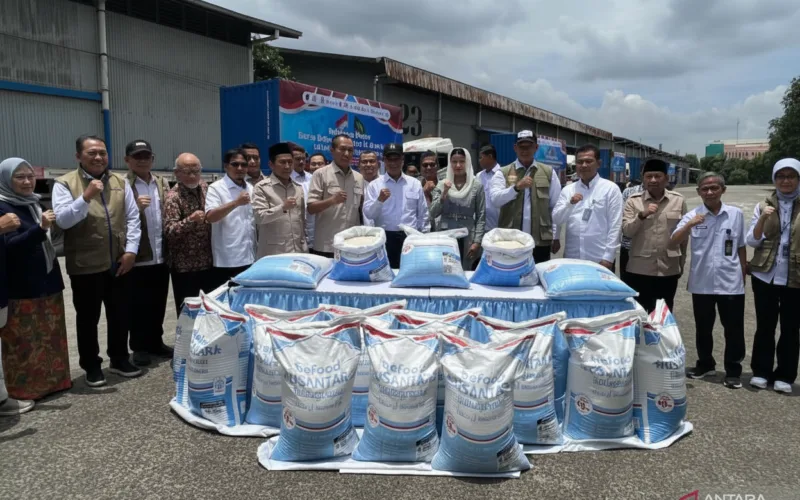
The Indonesian government will provide approximately 3 million ready-to-eat meal packages for its Hajj pilgrims in 2026.
The meals are designed for the Armuzna phase — covering Arafah, Muzdalifah, and Mina — when crowd density is at its peak and access to food preparation is severely restricted.
Why Standard Food Distribution Does Not Work in These Areas
Arafat, Muzdalifah, and Mina are the most crowded locations during Hajj.
Pilgrims at Masjid al-Haram (Grand Mosque) and beyond have no access to private kitchens, and worship schedules leave little room for mealtimes.
Distributing freshly prepared food in these conditions is logistically difficult, and any breakdown in supply can affect both the health of pilgrims and the performance of their rituals.
How the Heatless Technology Works
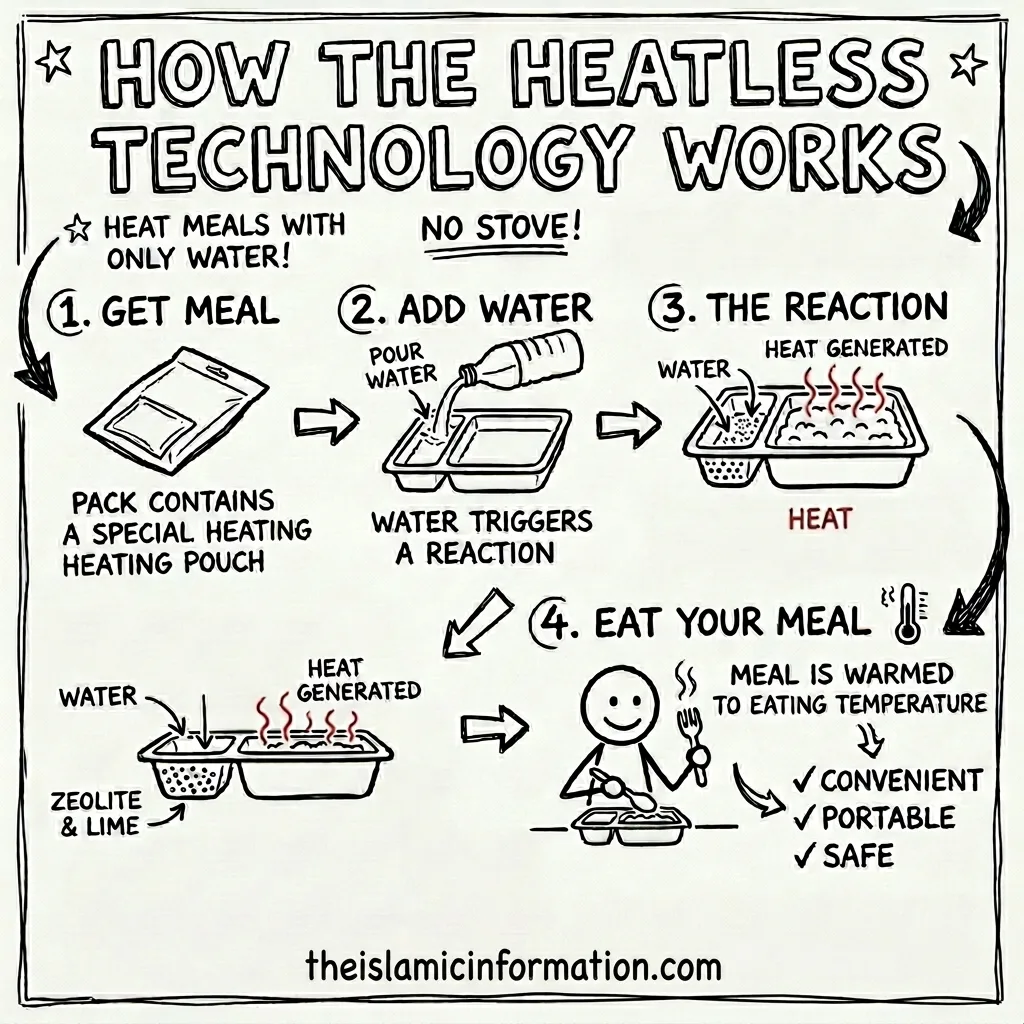
The meals use a food packaging innovation that heats food by adding water alone.
The water triggers a chemical reaction using materials such as zeolite and lime, which generates enough heat to warm the meal to a temperature suitable for eating — with no stove, electricity, or additional equipment required.
Arif Satria, head of the National Research and Innovation Agency, said the technology has been tested for food safety and is free from hazardous substances. He confirmed that the food reached a suitable temperature based on his own tasting of the product.
Safety, Compliance, and Distribution
Coordinating Minister for Food Affairs Zulkifli Hasan supported the approach, noting that proper packaging is essential to maintaining food quality across the full distribution process.
He also made clear that these meals are for Indonesian pilgrims only and will not be distributed within Saudi Arabia more broadly. The meals must meet halal standards and approval from the relevant Indonesian food authority before use.
The government said food will be available at all serving times and in sufficient quantities, with planning factoring in potential supply disruptions.
Uses Beyond Hajj
The same technology could be applied in disaster response, remote communities, and other emergencies where heating infrastructure is unavailable — making it relevant beyond the Hajj context alone.


 WhatsApp Channel
 ChatGPT
 Instagram
 Facebook
 X (Twitter)
 Claude
 Ask Gemini AI
 Ask Grok AI
Support the officially authentic Islamic website.
Support our mission to spread Islamic knowledge. Your donation helps our volunteer writers and infrastructure. Contribute now.

