
Sheikh Sudais Calls Fake AI Videos and Voice Cloning Haram

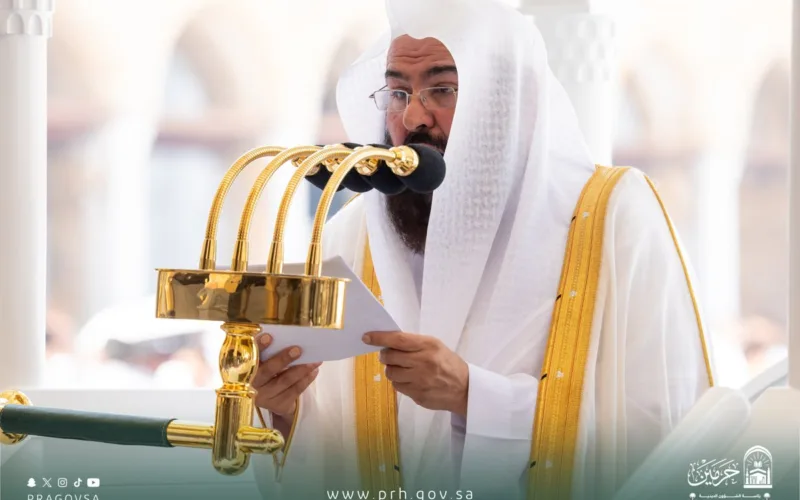
- Sheikh Sudais calls deceptive AI deepfakes Haram.
- Urges responsible use of AI.
Sheikh Dr Abdul Rahman Al-Sudais, Imam and preacher of Masjid al-Haram in Makkah, has warned against the misuse of artificial intelligence to spread false information, fabricate videos and imitate voices, describing such deceptive practices as prohibited lying under Islamic law.
During his Friday sermon at the Grand Mosque on October 9, 2026, Al-Sudais cautioned Muslims against using modern technology to deceive others, impersonate individuals or attribute false statements and images to people who never produced them. Saudi news outlets Sabq and Ajel reported his remarks.
Sheikh Sudais Warns Against AI-Generated Deception
Al-Sudais specifically warned against exploiting artificial intelligence and computer applications to manipulate video footage, imitate voices, impersonate people and spread fabricated content. He said these practices fall under lying prohibited by Islamic law and can violate people’s rights, privacy and reputations.
The warning comes as AI-generated videos and cloned voices become increasingly convincing, making it more difficult for ordinary users to distinguish authentic recordings from manipulated content.
In a previous report, The Islamic Information exposed a fake video falsely suggesting that Sheikh Sudais had made a supplication concerning Pakistan-India tensions. The case highlighted how manipulated footage involving respected religious figures can mislead audiences when circulated without verification.
AI Should Be Used for Good
The Grand Mosque imam did not condemn artificial intelligence itself. Instead, he described modern technology and social media as blessings from Allah that should be used responsibly and for beneficial purposes.
Al-Sudais urged Muslims to verify the authenticity of news, photographs and videos before sharing them. He warned that spreading unverified claims can fuel rumours, damage relationships, violate privacy and undermine public trust.
Artificial intelligence can also serve constructive purposes. For example, The Islamic Information reported on the deployment of AI-powered robots at the 46th King Abdulaziz International Quran Competition, where technology was used to assist visitors and provide guidance in multiple languages.
His message reinforces the importance of honesty and accountability in the digital age: technology should help people rather than deceive or harm them.
Muslims are therefore encouraged to exercise caution before forwarding viral content, particularly videos or audio recordings attributed to scholars, public figures or religious authorities. Verifying the original source before sharing such material can help prevent misinformation and protect the rights of others.


 WhatsApp Channel
 ChatGPT
 Instagram
 Facebook
 X (Twitter)
 Claude
 Ask Gemini AI
 Ask Grok AI
Support the officially authentic Islamic website.
Support our mission to spread Islamic knowledge. Your donation helps our volunteer writers and infrastructure. Contribute now.

