

Key Takeaways
- Monitoring teams to verify all health documents before entry
- Cancer, heart disease, respiratory illnesses among banned conditions
- Fake medical certificates will lead to deportation at pilgrim’s expense
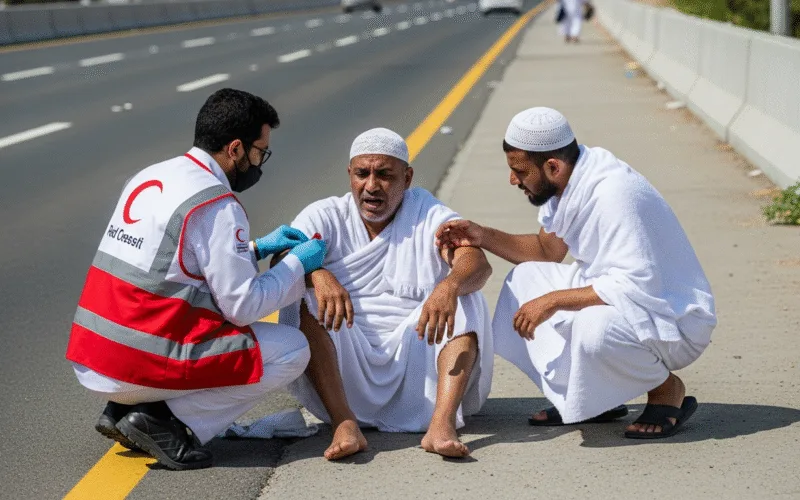
Saudi health authorities will prohibit pilgrims with serious medical conditions from participating in Hajj 2026 under new regulations to protect public health during the pilgrimage.
Who will be banned from performing Hajj 2026?
The strict measures target individuals with;
- Cancer
- Heart disease
- Kidney disease
- Liver disorders
- Respiratory illnesses
- Infectious diseases
- Chronic lung disease
- Cognitive or motor impairments
- High-risk pregnancies
The Ministry of Health’s directive also excludes pregnant women, elderly pilgrims showing frailty or memory weakness, and those with neurological or psychological conditions.
Fake documents can lead to the deportation of the pilgrim
Saudi monitoring teams will verify all medical fitness certificates before permitting entry or ritual participation.
Authorities warned that pilgrims concealing conditions or presenting fraudulent documents face immediate deportation at their own expense, with no refund for Hajj packages.
The Ministry of Religious Affairs separately cautioned medical practitioners against issuing false fitness certificates, threatening disciplinary action for violations.
The 2026 regulations specifically address conditions that could worsen in extreme heat or pose transmission risks in crowded spaces.
Health authorities emphasize the regulations aim to ensure all pilgrims can complete rituals safely while minimizing public health threats.
The upcoming Hajj season will implement the strictest medical entry requirements in the pilgrimage’s modern history.


 WhatsApp Channel
 ChatGPT
 Instagram
 Facebook
 X (Twitter)
 Perplexity
 Ask Gemini AI
 Ask Grok AI
Support the officially authentic Islamic website.
Support our mission to spread Islamic knowledge. Your donation helps our volunteer writers and infrastructure. Contribute now.


The steps taken by the Saudi government to protect the lives of ailing pilgrims, although belated, are commendable. Human life is the most precious gift bestowed by Allah Subhanahu wa Ta’ala, and safeguarding it is a sacred duty for individuals and everyone connected to that person’s well-being. I hope that if the policy decisions made by the Saudi Arabian government are genuinely implemented, they will save lives and help those who risk their safety during the sacred pilgrimage, preventing problems for themselves, their families, and, above all, for the Saudi government.
Indeed.