
GCC Residents Will Be Able To Start Umrah Journey By Train In 2030

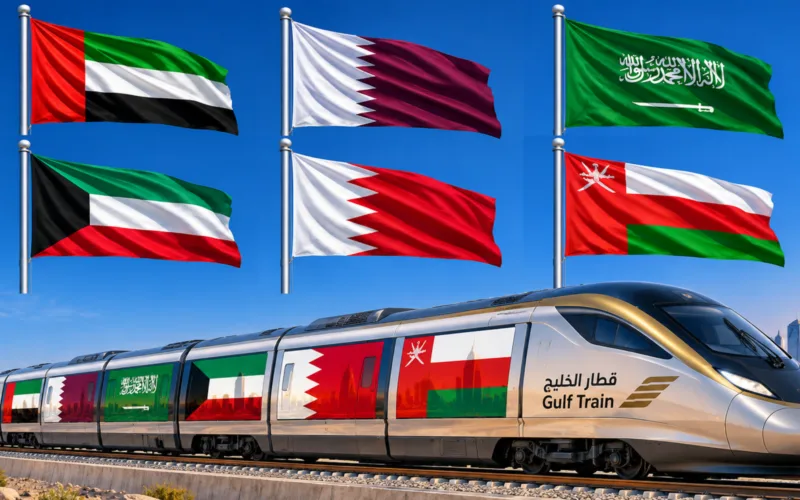
Residents of the Gulf Cooperation Council will gain a new option for the opening leg of their Umrah travel once the regional railway network reaches full operations in December 2030.
The project is designed to link Kuwait, Saudi Arabia, Bahrain, Qatar, the United Arab Emirates and Oman by rail, allowing passengers to travel across borders without relying solely on short flights or long road journeys.
The network is expected to bring travelers into eastern Saudi Arabia, primarily around the Dammam area.
From there, pilgrims will continue to Makkah or Madinah using existing domestic options, including the Haramain High-Speed Railway that already connects Jeddah, Makkah and Madinah, or by domestic flight and bus.
While the GCC line itself will not reach the holy cities, it removes the need for an international flight or a multi-hour drive for the first stage of the trip for many Gulf residents.
Officials have stated that the project stood at roughly 56 percent completion in late 2026, with a formal agreement among the member states reinforcing the December 2030 target for passenger and freight services.
Passenger trains are planned to operate at speeds of up to 200 kilometres per hour on most sections. Once running, the railway is projected to carry millions of people each year, including those traveling for religious purposes.
For Umrah performers living in the UAE, Qatar, Bahrain, Kuwait or Oman, the main practical change will be greater choice and comfort on the cross-border portion of the journey.
Travelers who currently fly into Jeddah or Madinah may instead board a train that delivers them to eastern Saudi Arabia, then switch to domestic transport.
This multi-leg arrangement is unlikely to transform the overall cost of an Umrah package.
Accommodation, visas and peak-season demand remain the larger expenses, but the railway could reduce spending on the entry leg for some families and groups, particularly those traveling outside the busiest periods.
The railway’s history includes earlier delays, so the December 2030 date remains a target rather than a certainty.
Completion still depends on finishing remaining national segments and key cross-border links, including connections involving Bahrain.
Even so, the project is positioned as a step toward closer regional integration and expanded travel options across the Gulf.
When the full network opens, GCC residents planning Umrah will have a clearer rail-based route into Saudi Arabia for the first part of their pilgrimage.


 WhatsApp Channel
 ChatGPT
 Instagram
 Facebook
 X (Twitter)
 Claude
 Ask Gemini AI
 Ask Grok AI
Support the officially authentic Islamic website.
Support our mission to spread Islamic knowledge. Your donation helps our volunteer writers and infrastructure. Contribute now.

