
Researchers Are Investigating Possible Location of Prophet Nuh (A.S.)’s Ship in Türkiye

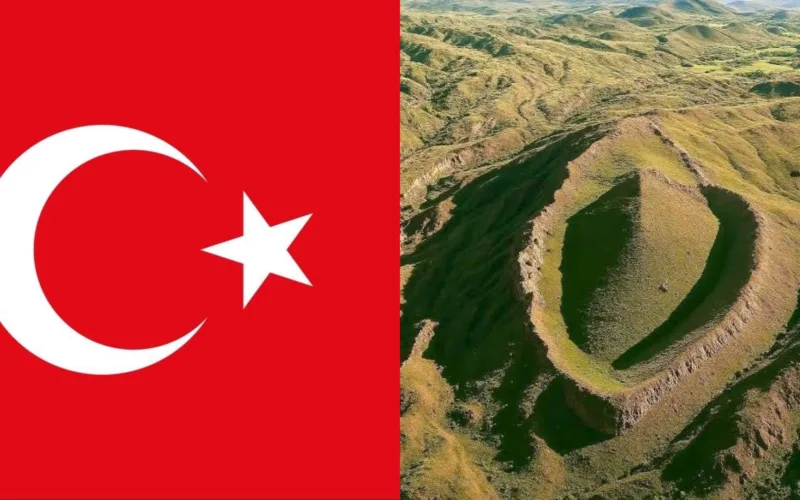
- Researchers are studying the Durupınar Formation in Türkiye.
- The site is being examined as a possible location of Prophet Nuh’s ship.
- Laboratory analysis is ongoing, and no discovery has been confirmed.
Researchers in Türkiye are investigating a boat-shaped geological formation near Mount Ararat that has long been associated by some with the possible location of the ship of Prophet Nuh (A.S.).
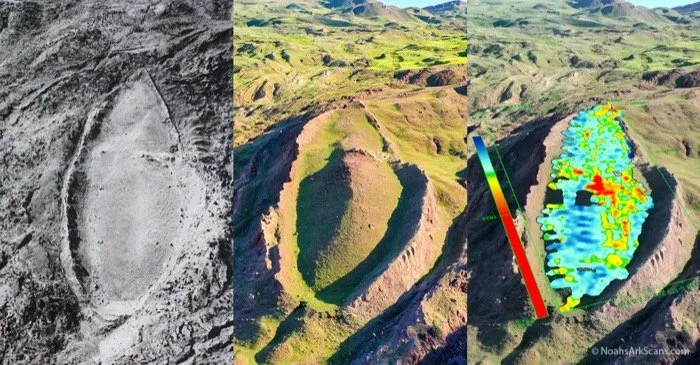
The formation, known as the Durupınar Formation, is located near Doğubayazıt in Ağrı Province in eastern Türkiye. It was identified in aerial photographs in 1959 by Turkish Army Captain İlhan Durupınar and has attracted decades of interest because of its unusual ship-like shape.
A multidisciplinary research project was officially approved by Türkiye’s Erzurum Regional Directorate of the Ministry of Environment, Urbanization and Climate Change on May 21, 2026. The project is led by Prof. Dr. Cenker Atila of Sivas Cumhuriyet University.
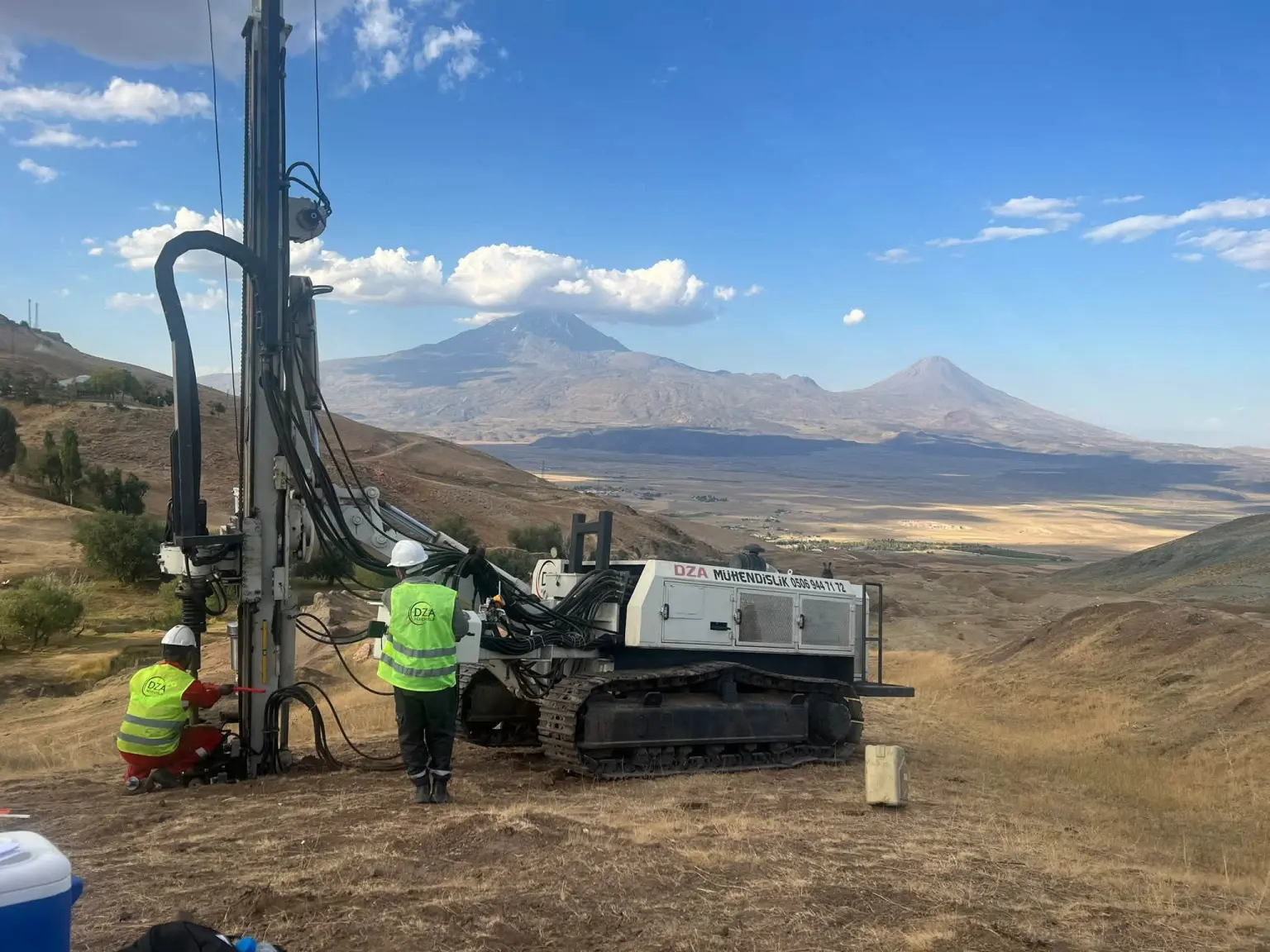
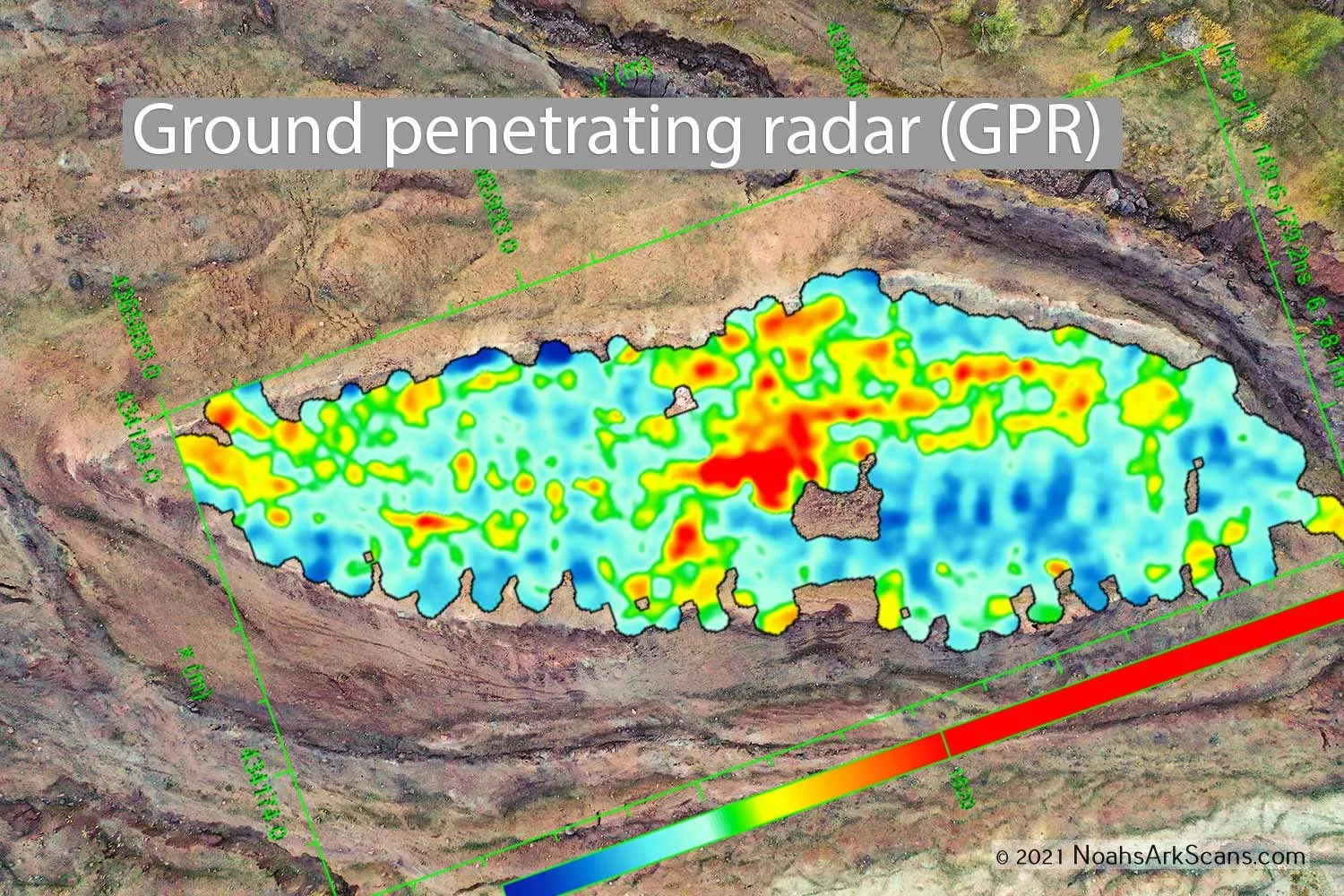
The 2026 fieldwork began on June 28 and continued until September 11. Around 20 researchers and students from five countries took part in the field programme. The team used GPS mapping, digital terrain modelling, ground-penetrating radar and core drilling to examine the formation and the material beneath it. Drilling reached depths of up to 18 metres.
Researchers collected around 1,000 soil samples from approximately 100 to 150 locations across and around the formation. The samples were sent to laboratories in Ankara for further examination. Reports also say that core samples were recovered during the drilling programme, with laboratory work continuing after the field season.
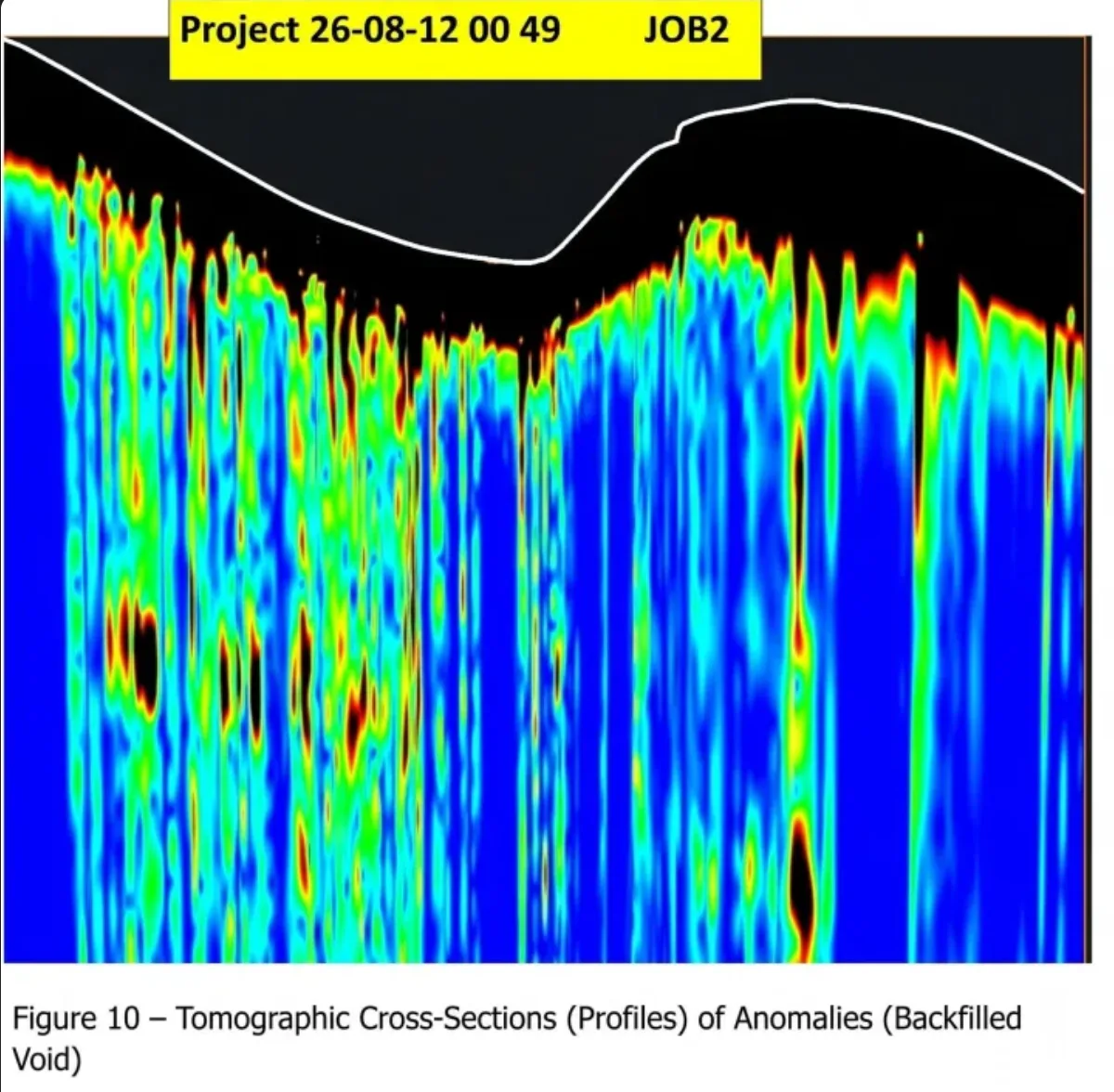
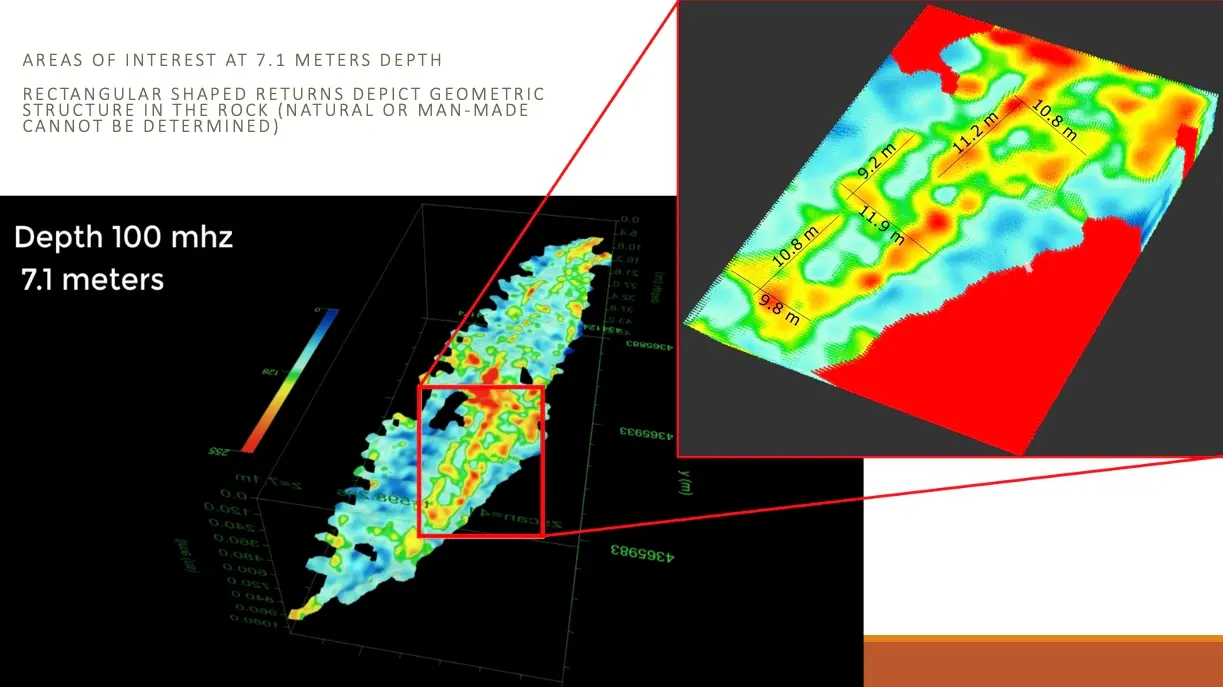
The research has also produced reports of unusual underground features. Radar surveys identified linear patterns and other anomalies that researchers associated with the possibility of corridors, chambers or other structures beneath the formation. These interpretations have not been independently established as evidence of a human-made structure. Natural geological formations can also produce unusual subsurface radar signals.
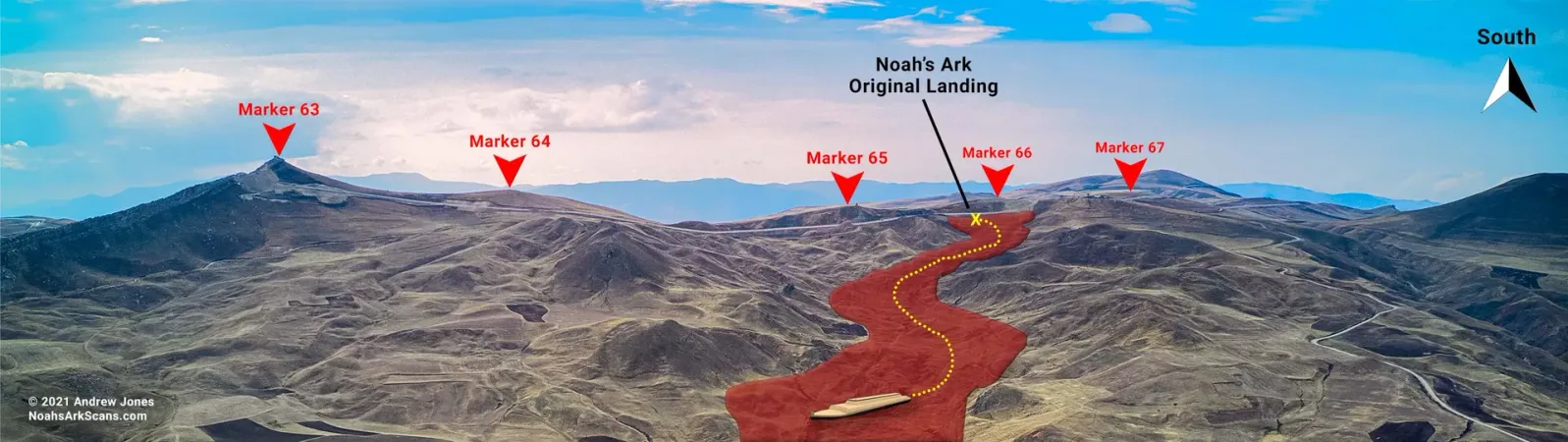
Some of the stronger interpretations have come from Noah’s Ark Scans, the U.S.-based organization supporting the investigation. The organization has described possible right-angle features, corridors and chamber-like areas beneath the formation. These claims remain interpretations rather than confirmed archaeological findings.
Another reported development came during drilling. Noah’s Ark Scans said that a drill bit broke after encountering an exceptionally hard layer approximately four to five metres below the surface. The organization suggested that petrified or highly mineralized wood could be one possibility, but this has not been confirmed through laboratory analysis.
Researchers also reported finding pottery fragments during the fieldwork. Their age and significance have not yet been established, so the fragments cannot currently be used to identify the formation as the ship of Prophet Nuh (A.S.).
Quranic Evidence
The location of the Durupınar Formation is particularly important when the claim is considered from an Islamic perspective.
The Qur’an states in Surah Hud, 11:44, that after the flood, the ship of Prophet Nuh (A.S.) came to rest on al-Judi:
“…and the ship came to rest on al-Judi…”
The official commentary of Türkiye’s Presidency of Religious Affairs (Diyanet) identifies Cudi Mountain in southeastern Türkiye with the Qur’anic al-Judi. It also notes that the Biblical account places the Ark on the mountains of Ararat.
The Durupınar Formation, however, is in Ağrı Province near Mount Ararat and is not Cudi Mountain. Therefore, even if future scientific research were to establish that Durupınar is a man-made ancient vessel, that would not by itself demonstrate that it is the ship described in the Qur’an. The Qur’anic location is specifically referred to as al-Judi.
What Does the Geological Evidence Say?
The interpretation of Durupınar as an ancient ship has also faced a longstanding geological explanation.
A 1996 paper published in the Journal of Geoscience Education concluded that the formation was a natural geological structure rather than Noah’s Ark. The researchers described features interpreted by Ark proponents as artificial structures as natural geological formations.
A separate 2007 study by geologist Murat Avcı linked the formation to the Telçeker earthflow in the Mount Ararat region, providing another natural explanation for the unusual boat-like shape.
The current research is therefore examining whether the formation and the material beneath it can provide evidence that supports a human-made origin or whether the features can be explained by natural geological processes.
What Happens Next?
The 2026 field season has now ended, but the wider investigation continues through laboratory analysis of the material collected during the research. Researchers are examining the soil and core samples for organic material, possible traces of wood and other evidence that could help determine the formation’s origin. More extensive findings are expected as the analysis continues, with fuller results expected in 2027.
For now, there is no confirmed scientific discovery of the ship of Prophet Nuh (A.S.) at Durupınar.
What has been established is that an officially authorized research project has examined the unusual formation using geological surveys, radar, mapping, sampling and drilling. Whether the laboratory results provide evidence connecting the site to the ship of Prophet Nuh (A.S.) remains an open question.


 WhatsApp Channel
 ChatGPT
 Instagram
 Facebook
 X (Twitter)
 Claude
 Ask Gemini AI
 Ask Grok AI
Support the officially authentic Islamic website.
Support our mission to spread Islamic knowledge. Your donation helps our volunteer writers and infrastructure. Contribute now.

