
Major Project Inaugurated in Mina with 62 Buildings to Host Over 15,000 Pilgrims

Key Takeaways
- The Rabigh Qadeena project in Mina spans over 33,000 m² with 62 buildings housing more than 15,000 pilgrims, inaugurated by the Minister of Hajj.
- The 10-tower complex includes prayer halls, dining halls, medical clinics, advanced kitchens, outdoor rest areas, and waste management systems.
- The site features separate pedestrian and bus corridors, crowd-flow monitoring technology, 20 power stations exceeding 30 MW, and temperature-control systems.
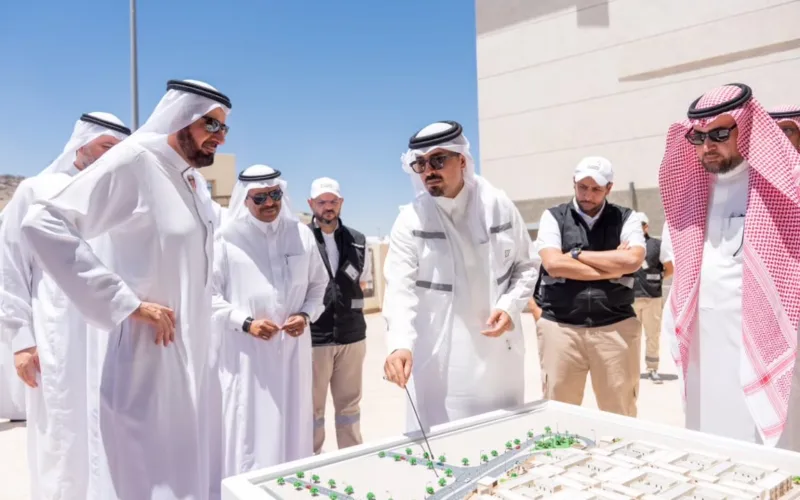
The Minister of Hajj has officially inaugurated the Rabigh Qadeena project in Mina — one of the most significant infrastructure additions to the holy precincts ahead of Hajj 2026.
Developed by Qadeena Company, the project covers an area exceeding 33,000 m² and comprises 62 buildings designed to accommodate more than 15,000 pilgrims in modern, air-conditioned facilities.
The full 10-tower complex is capable of housing approximately 30,000 pilgrims — a substantial addition to Mina’s capacity at one of the most congested points of the Hajj calendar, particularly around the Jamarat area.
What the Project Includes
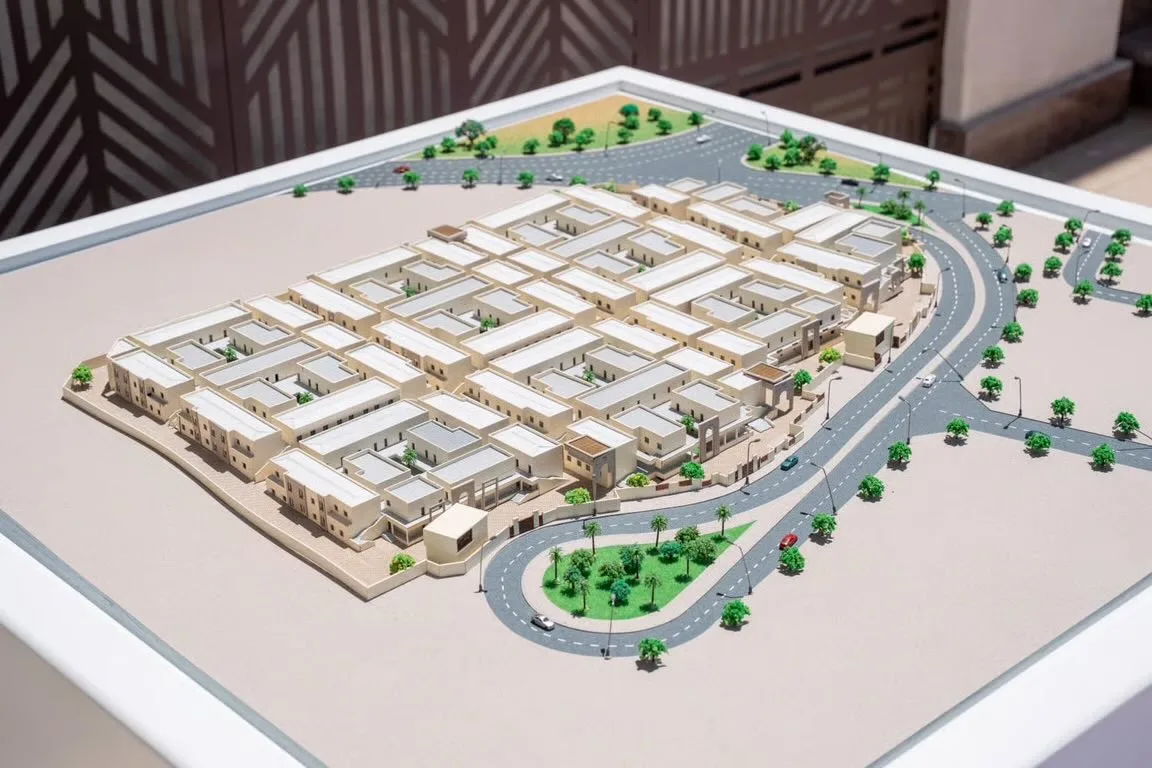
Each building within the complex is equipped with a comprehensive range of facilities, ensuring pilgrims have everything they need within walking distance:
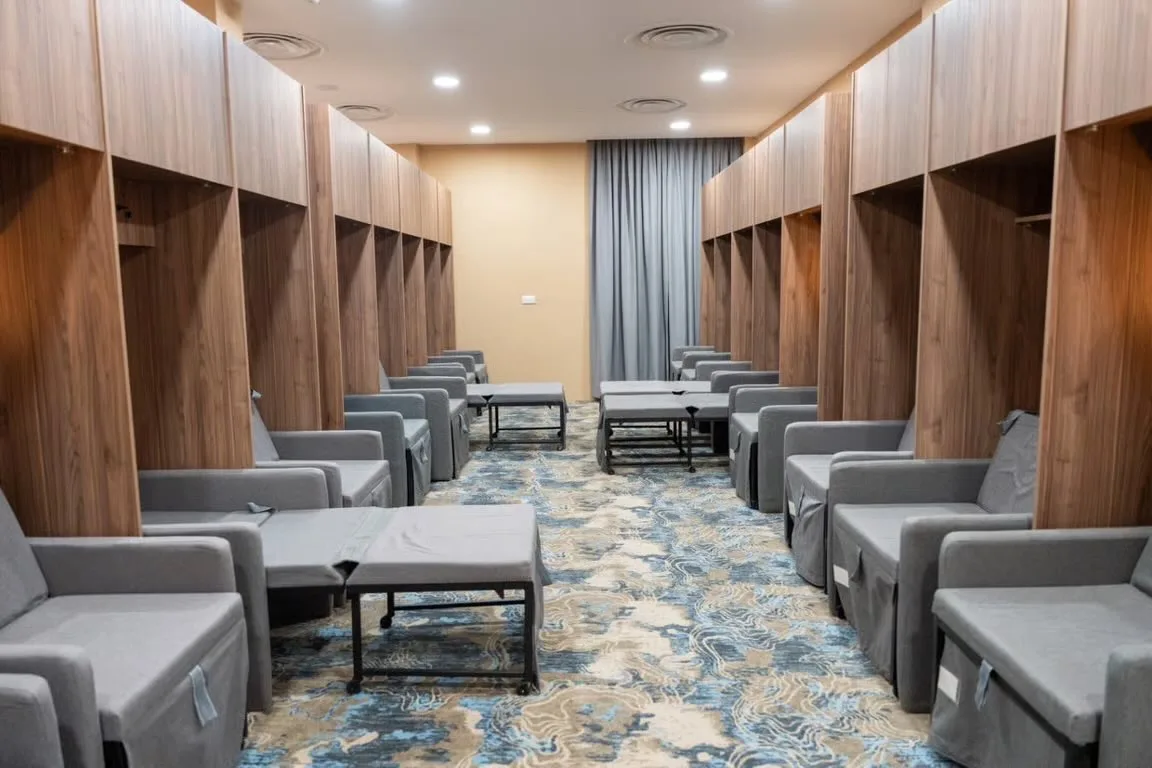
- Prayer halls
- Dining halls
- Medical clinics
- Advanced kitchens
- Outdoor rest areas
- Waste management systems
Safer Movement Near Jamarat
The project has been designed with crowd safety as a primary consideration. Separate corridors for pedestrians and buses reduce the mixing of foot traffic and vehicles — a critical factor in managing the large volumes of pilgrims moving toward and away from the Jamarat.
Dedicated monitoring rooms and crowd-flow management technology have also been integrated into the site to give authorities real-time visibility over movement patterns and reduce congestion.
Power and Cooling Infrastructure
The project adds 20 power stations with a combined capacity exceeding 30 MW to Mina’s infrastructure, along with temperature-control systems across the complex.
This ensures stable lighting, cooling, and transport operations throughout the Hajj period — conditions that are critical when temperatures in Mina can be extreme and hundreds of thousands of pilgrims are present simultaneously.
Mina’s Long-Term Transformation
The Rabigh Qadeena project is part of a broader shift in how Mina functions. The area is gradually moving from a predominantly tent-based camp toward a mixed environment of high-rise towers and upgraded permanent facilities — improving comfort, hygiene, and crowd management in ways that tents alone cannot achieve.
For pilgrims, the practical impact is tangible — shorter walking distances, cleaner facilities, on-site medical services, better signage, and a more organised overall experience during one of the most physically demanding days of Hajj.


 WhatsApp Channel
 ChatGPT
 Instagram
 Facebook
 X (Twitter)
 Claude
 Ask Gemini AI
 Ask Grok AI
Support the officially authentic Islamic website.
Support our mission to spread Islamic knowledge. Your donation helps our volunteer writers and infrastructure. Contribute now.

