
Sheikh Sudais Says Performing Hajj Without a Permit Is Against Shariah

Key takeaways
- Performing Hajj without official permit contradicts Shariah
- Permit rule supports safety, prevents harm and chaos
- Pilgrims urged to follow Saudi authorities’ guidance
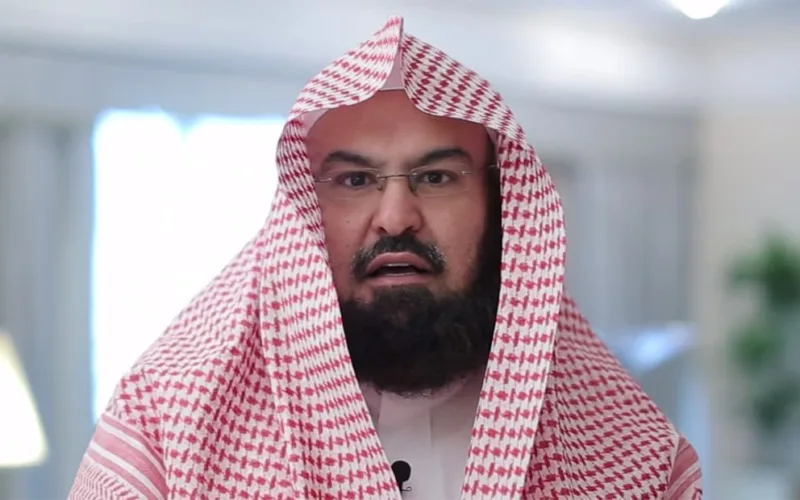
MAKKAH, April 14, 2026 — Sheikh Dr. Abdulrahman Al-Sudais, Head of Religious Affairs at the Grand Mosque and the Prophet’s Mosque, has emphasized that performing Hajj without an official permit is not permissible under Islamic law.
In a statement released by the Saudi Press Agency, Sheikh Sudais highlighted that the principle “No Hajj without a permit” aligns with the higher objectives of Shariah. He explained that Islamic teachings prioritize bringing benefit and preventing harm, and that organizing pilgrimage rites through a permit system serves these goals.
Permit Rule Supports Shariah Objectives and Pilgrim Safety
The requirement for a Hajj permit was introduced to protect the well-being of pilgrims, prevent overcrowding, and maintain order during the sacred rituals. Sheikh Sudais noted that compliance with these regulations reflects a pilgrim’s reverence for the rites of Allah and commitment to religious discipline.
He warned that violating these rules may lead to harm for individuals and others, which Islamic law strictly forbids.
The permit system helps ensure that worship is performed in a secure, peaceful environment free from disruption.
Sheikh Sudais called on all intending pilgrims to fully adhere to instructions issued by competent authorities.
He praised the efforts of Saudi leadership in facilitating Hajj services and urged cooperation to uphold the highest standards of care and organization.
He concluded that obtaining a Hajj permit is not merely an administrative step, but a religious duty rooted in Islamic jurisprudence.


 WhatsApp Channel
 ChatGPT
 Instagram
 Facebook
 X (Twitter)
 Claude
 Ask Gemini AI
 Ask Grok AI
Support the officially authentic Islamic website.
Support our mission to spread Islamic knowledge. Your donation helps our volunteer writers and infrastructure. Contribute now.

