New Institutional System to Develop Religious Services at Masjid al-Haram and Nabawi Launched

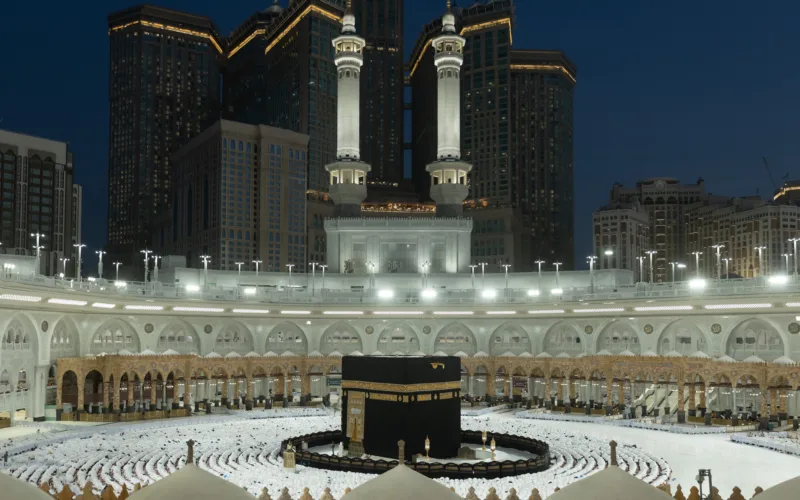
A new three-body system to fund and run religious services at Masjid al-Haram and Masjid an-Nabawi was launched in Makkah on 2 November 2026.
Sheikh Dr. Abdulrahman Al-Sudais, President of Religious Affairs at Masjid al-Haram (Grand Mosque) and Masjid an-Nabawi (Prophet’s Mosque), has launched a new institutional system for religious services at the Two Holy Mosques.
The launch took place in Makkah on 2 November 2026 (22 Jumada al-Awwal 1448 AH), according to the Saudi Press Agency (SPA).
The system brings together three bodies: the Religious Affairs Endowment, the Maathir Haramain Charitable Foundation, and the Hidayat Al-Qasideen Company.
It aims to strengthen financial stability, grow resources, and run religious projects more efficiently.
What Each Body Does
| Body | Role |
|---|---|
| Religious Affairs Endowment | Grows resources and investments and provides steady funding |
| Maathir Haramain Charitable Foundation | Manages funding, grants, and projects, and oversees them |
| Hidayat Al-Qasideen Company | Carries out projects and services and runs them to quality standards |
Sheikh Al-Sudais called the launch a step toward a lasting endowment model. It relies on the three bodies working together and on partnerships with the non-profit and private sectors.
He said this should make spending more efficient. It should also improve the religious and educational services offered to visitors, in line with Saudi Vision 2030.
He added that the system turns ideas into lasting projects. These support Quran programmes, awareness campaigns, and guidance services.
Governance and Technology
The system sets clear roles and powers and strengthens transparency and accountability. It also applies methods for planning, execution, follow-up, and performance measurement.
Modern technology and artificial intelligence will support decisions and project management. Projects can be delivered directly or through partnerships with specialist bodies.
The launch continues the support Saudi rulers give to religious services at the Two Holy Mosques. They are keen to improve the quality and lasting value of these services.


 WhatsApp Channel
 ChatGPT
 Instagram
 Facebook
 X (Twitter)
 Claude
 Ask Gemini AI
 Ask Grok AI
Support the officially authentic Islamic website.
Support our mission to spread Islamic knowledge. Your donation helps our volunteer writers and infrastructure. Contribute now.

