
Hajj 2026: Kaaba’s Kiswa Lifted Ahead of Hajj

Key Takeaways:
- The Kiswa was lifted at 1 AM on April 18, 2026, ahead of Hajj 1447 AH.
- The lifting followed a maintenance period of over 10 days, as previously confirmed by The Islamic Information.
- The Kiswa is lifted every year during Hajj season to protect it from damage caused by the large crowds of pilgrims.
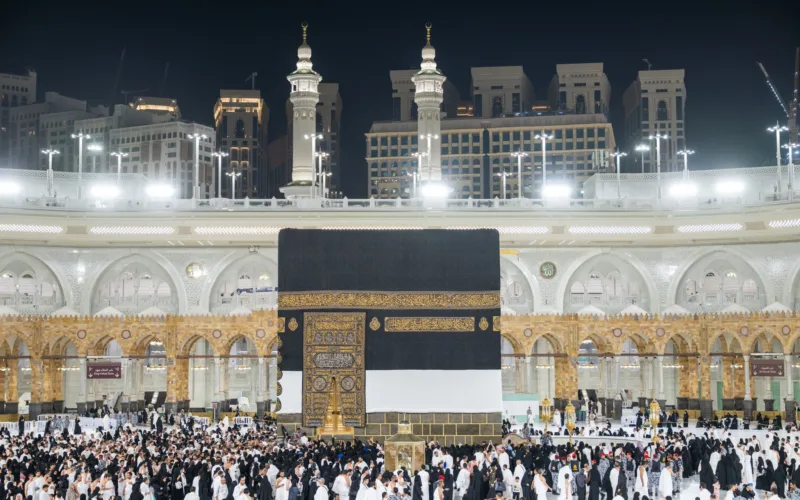
The Kiswa — the embroidered black cloth that covers the Kaaba at Masjid al-Haram in Makkah — was lifted in the early hours of April 18, 2026, at 1 AM, signalling the official start of the Hajj 2026 season.
The lifting came at the conclusion of a maintenance period lasting more than 10 days, as previously confirmed by The Islamic Information.
Why the Kiswa Is Lifted?
The lifting of the Kiswa is a yearly ritual carried out specifically during the Hajj season.
With millions of pilgrims converging on the Kaaba to perform Tawaf — circling the sacred structure at close proximity — the Kiswa is raised to protect it from damage that could result from the extraordinary volume of human contact during the pilgrimage.
The practice ensures the cloth is preserved in its full condition throughout one of the busiest periods the Grand Mosque experiences each year.
Timing and Significance
The lifting at 1 AM on April 18 coincides with the opening day of the international Hajj flight arrival window, with the first pilgrim flights from Pakistan, Bangladesh, India, and Indonesia also landing in Saudi Arabia on the same date.
The Kiswa will remain lifted for the duration of the Hajj season before being lowered again once the pilgrimage concludes.


 WhatsApp Channel
 ChatGPT
 Instagram
 Facebook
 X (Twitter)
 Claude
 Ask Gemini AI
 Ask Grok AI
Support the officially authentic Islamic website.
Support our mission to spread Islamic knowledge. Your donation helps our volunteer writers and infrastructure. Contribute now.

