

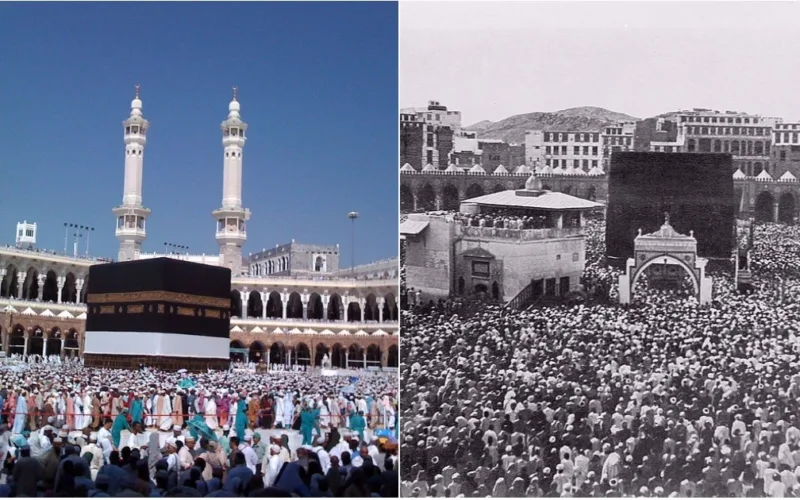
The Conquest of Makkah, also known as Fatah Makkah, stands as one of the greatest and most significant events in Islamic history.
Taking place during the blessed month of Ramadan in the 8th year of Hijri (630 C.E.), it marked the triumphant return of the Prophet Muhammad (peace be upon him) and the Muslims to the city from which they had been expelled years earlier.
This article provides a full story, key facts, and a summary of the Conquest of Makkah— one of the defining moments in the formation of Islamic civilization.
Background and Early History of the Conquest of Makkah
Before the conquest, the city of Makkah had been under the control of the Quraysh tribe, who were fierce opponents of the Prophet Muhammad and his message.
Muslims had endured years of persecution, torture, economic boycotts, and forced exile before finding refuge in Medina.
Treaty of Hudaybiyah — Key Facts Before the Conquest
In 628 C.E. (6th year of Hijri), the Prophet Muhammad set out with approximately 1,400 Muslims from Medina to perform Umrah, the minor pilgrimage.
When they reached the outskirts of Makkah, the Prophet sent an emissary to the Quraysh, informing them that the Muslims were not coming to fight but solely to perform a religious ritual.
The Muslims were not permitted to perform the pilgrimage that year; however, an agreement was reached between the two sides. This agreement became known as the Treaty of Hudaybiyah. According to its terms:
- The Muslims would postpone their pilgrimage to the following year.
- When the Muslims returned the next year, the Meccans would vacate the city for three days so the Muslims could perform the rituals peacefully.
- All Arab tribes would align themselves with either the Quraysh or the Muslims, and each side would defend its allies in case of attack.
- A ten-year peace agreement was established between the two sides, preventing any bloodshed.
Both sides initially honored the Treaty of Hudaybiyah. However, approximately two years later, one of the tribes allied with the Quraysh launched an unprovoked attack on a tribe allied with the Muslims, killing several of its members.
This violation effectively nullified the treaty and set the stage for the Conquest of Makkah.
Full Story of the Conquest of Makkah in Ramadan
By 630 C.E. (8th year of Hijri, during the holy month of Ramadan), the Muslims had grown into a formidable and well-organized force. Following the breach of the Treaty of Hudaybiyah, the Prophet Muhammad began preparations for the march to Makkah. He kept his plans largely secret to ensure a swift and bloodless victory.
The Prophet Muhammad set out from Medina at the head of an army of 10,000 Muslims — one of the largest forces ever assembled in Arabia at that time.
As they approached Makkah, the leaders of the Quraysh, recognizing that resistance was futile, surrendered. Among them was Abu Sufyan ibn Harb, one of the most prominent leaders of the Quraysh and previously one of the most vigorous opponents of the Prophet Muhammad PBUH.
Abu Sufyan came to the Muslim camp and accepted Islam before the army entered Makkah. The Prophet honoured him by announcing that anyone who took refuge in Abu Sufyan’s house would be granted safety — a gesture that underlined the Prophet’s desire for reconciliation rather than revenge.
The Muslim army entered Makkah from multiple directions with strict orders from the Prophet not to harm any non-combatants, not to destroy property, and not to initiate any fighting unless attacked. The city fell with minimal resistance and virtually no bloodshed.
The Prophet Muhammad’s Declaration and General Amnesty
Once inside Makkah, the Prophet Muhammad gathered the Meccans — many of whom feared retribution for years of persecution and warfare against the Muslims. Standing before them, the Prophet declared:
“O people of Quraysh, what do you think I will do with you?” They replied, “Good, for you are a noble brother and the son of a noble brother.” The Prophet then said: “Go, for you are free.”
This proclamation of general amnesty was one of the most extraordinary acts of mercy in recorded history. The Meccans — who had tortured, killed, and expelled the Muslims — were forgiven entirely. No retribution was taken. No blood was shed in revenge.
Many Meccans who had fully expected punishment were so overwhelmed by the Prophet’s clemency that they immediately embraced Islam. This act of mercy transformed former enemies into devoted followers of the faith.
Destruction of the Idols — A Defining Moment in Islamic History
After securing the city, the Prophet Muhammad proceeded to the Kaaba— the sacred house of God — which had been filled with 360 idols during the pre-Islamic era known as Jahiliyyah (the Age of Ignorance). The Prophet removed and destroyed all the idols, reciting the Quranic verse:
“Truth has come and falsehood has perished. Indeed, falsehood is ever bound to perish.” (Quran 17:81)
This act restored the Kaaba to its original purpose as a house of monotheistic worship — as it had been built by the Prophet Ibrahim (Abraham) and his son Ismail thousands of years earlier.
The cleansing of the Kaaba remains one of the most powerful and symbolic moments of the Conquest of Makkah.
Summary of the Conquest of Makkah and Its Impact on Islam
It ended years of conflict and hostility between the Quraysh and the Muslims, and firmly established Islam on the Arabian Peninsula.
Within months of the conquest, tribes from across Arabia began sending delegations to the Prophet Muhammad, accepting Islam and pledging allegiance.
Key facts and outcomes of the Conquest of Makkah include:
- Date: 20th Ramadan, 8th year of Hijri (January 630 C.E.)
- Muslim army size: approximately 10,000 soldiers
- The conquest was largely bloodless, with minimal casualties
- General amnesty was declared for all Meccans
- 360 idols were removed from the Kaaba
- It led to the rapid spread of Islam across the Arabian Peninsula and eventually the world
Lessons from the Conquest of Makkah for Muslims Today
The Prophet Muhammad had every right, by the customs and traditions of 7th century Arabia, to exact retribution from those who had persecuted him and his followers for over two decades. Instead, he chose mercy, forgiveness, and reconciliation. This was not weakness — it was the highest form of strength and moral character.
The event also underscores the importance of Ramadan as a month not just of fasting and worship, but of great spiritual victories.
The Conquest of Makkah, achieved during Ramadan, reminds Muslims that this blessed month is a time when extraordinary things become possible through faith, discipline, and reliance upon Allah.
Ultimately, the Conquest of Makkah shows that true victory is not measured by force alone, but by the principles upheld in achieving it.
Mercy, justice, and moral clarity — these were the weapons that won Makkah, and they remain the most enduring legacy of that remarkable day in Ramadan, over 1,400 years ago.


 WhatsApp Channel
 ChatGPT
 Instagram
 Facebook
 X (Twitter)
 Perplexity
 Ask Gemini AI
 Ask Grok AI
Support the officially authentic Islamic website.
Support our mission to spread Islamic knowledge. Your donation helps our volunteer writers and infrastructure. Contribute now.


Very nice alhamdulillah
mashallah