
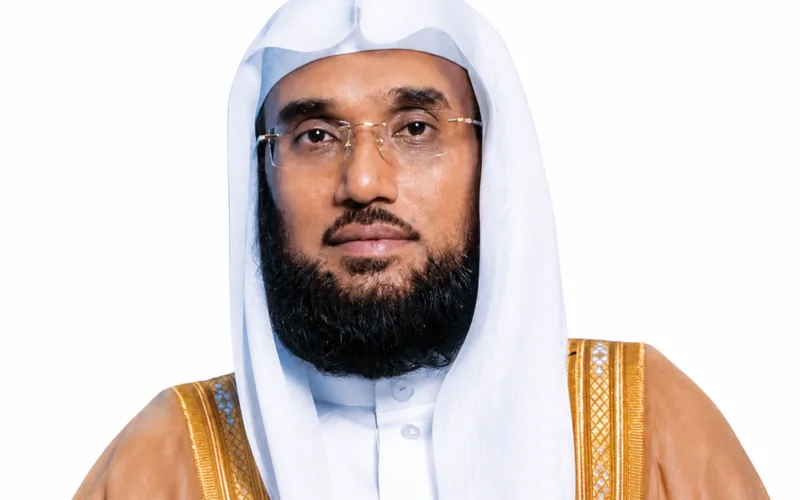
Mukhtar Alam Shaqdar: Bangladeshi-Born Calligrapher Who Refined the Design of the Kaaba’s Kiswa

Key Takeaways
- Mukhtar Alam Shaqdar has been the chief calligrapher of the Ka’bah Kiswa at the factory in Makkah since Jumada al-Awwal 1423 AH (July 2002)
- Born to a Bangladeshi family in Saudi Arabia, he was granted Saudi citizenship under a royal decree honouring skilled foreign nationals
- He preserved the original Thuluth script design of Sheikh Abdul Rahim Amin Bukhari while refining letter sizes, proportions, and decorative elements
Every year, millions of pilgrims circle the Ka’bah in Masjid al-Haram (Grand Mosque) in Makkah and gaze at the black cloth draped over it — the Kiswa — embroidered with verses from the Quran in gold and silver thread.
The man who designs those words is Mukhtar Alam Shaqdar.
From Bangladesh to Makkah
Mukhtar Alam was born in Saudi Arabia to a Bangladeshi family. His roots trace to Roshider Ghona village in Lohagara, Chattogram, where his father Mufizur Rahman bin Ismail Sikder is from.
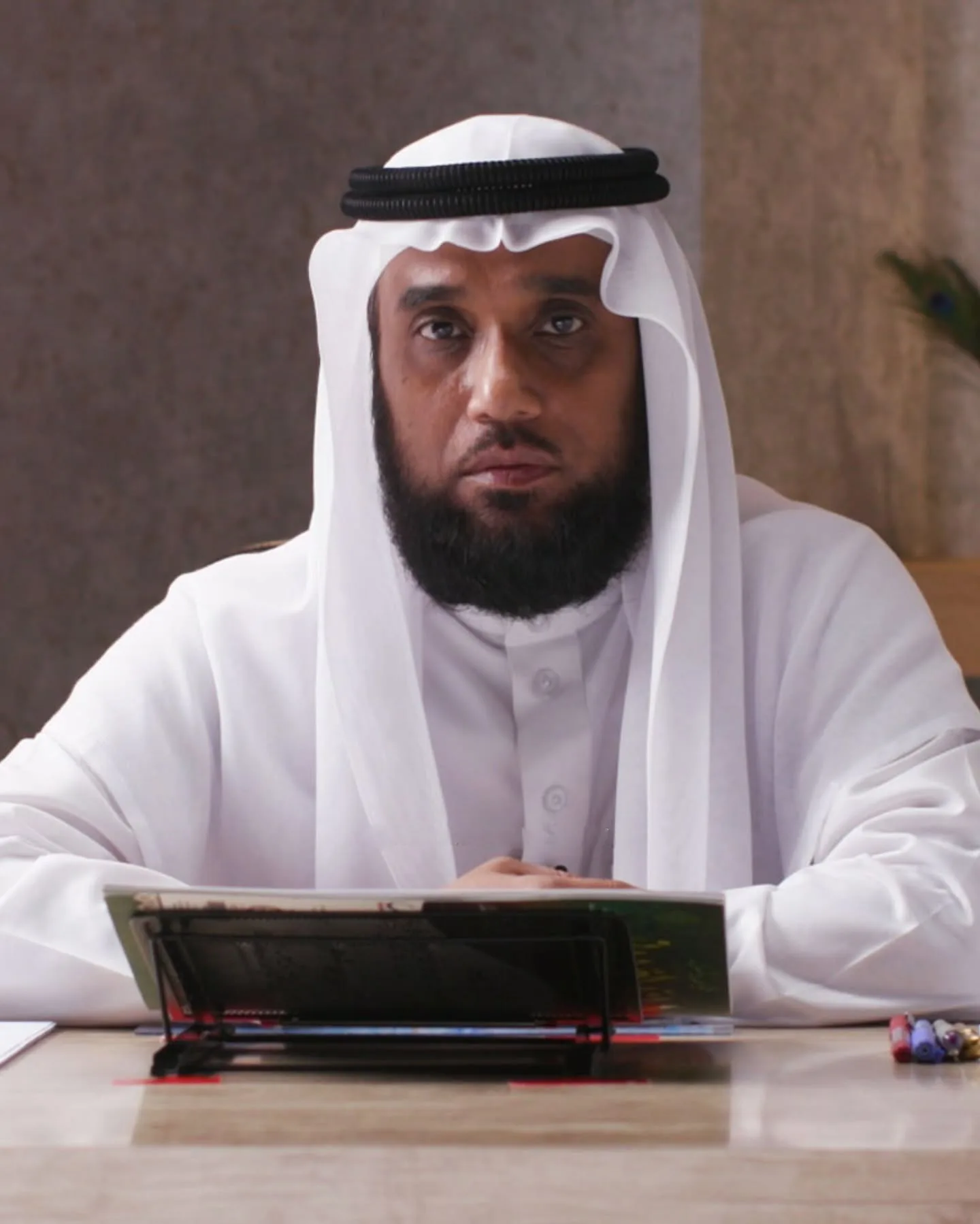
From a young age, he pursued Arabic calligraphy, eventually teaching it at Umm Al-Qura University’s department of art education in Makkah between 1995 and 1999.
He earned a bachelor’s degree in art education from the same university in 1992, followed by a master’s degree in art education with a specialisation in calligraphy in 2001.
How He Came to the Kiswa
In 1422 AH, Alam met a Jeddah-based businessman and calligrapher named Muhammad Salem Bajnaid, who was struck by the quality of his work.
Bajnaid put forward Alam’s file to the presidency, after which a formal test was arranged at Umm Al-Qura University. Alam passed and was taken on as calligrapher at the Ka’bah Kiswa factory in Jumada al-Awwal 1423 AH (July 2002).
Preserving the Original, Refining the Detail
The calligraphy on the Kiswa follows the Thuluth script originally designed by Sheikh Abdul Rahim Amin Bukhari, whose name remains on the Kiswa to this day. Alam did not change the base design, but brought measurable improvements to it.
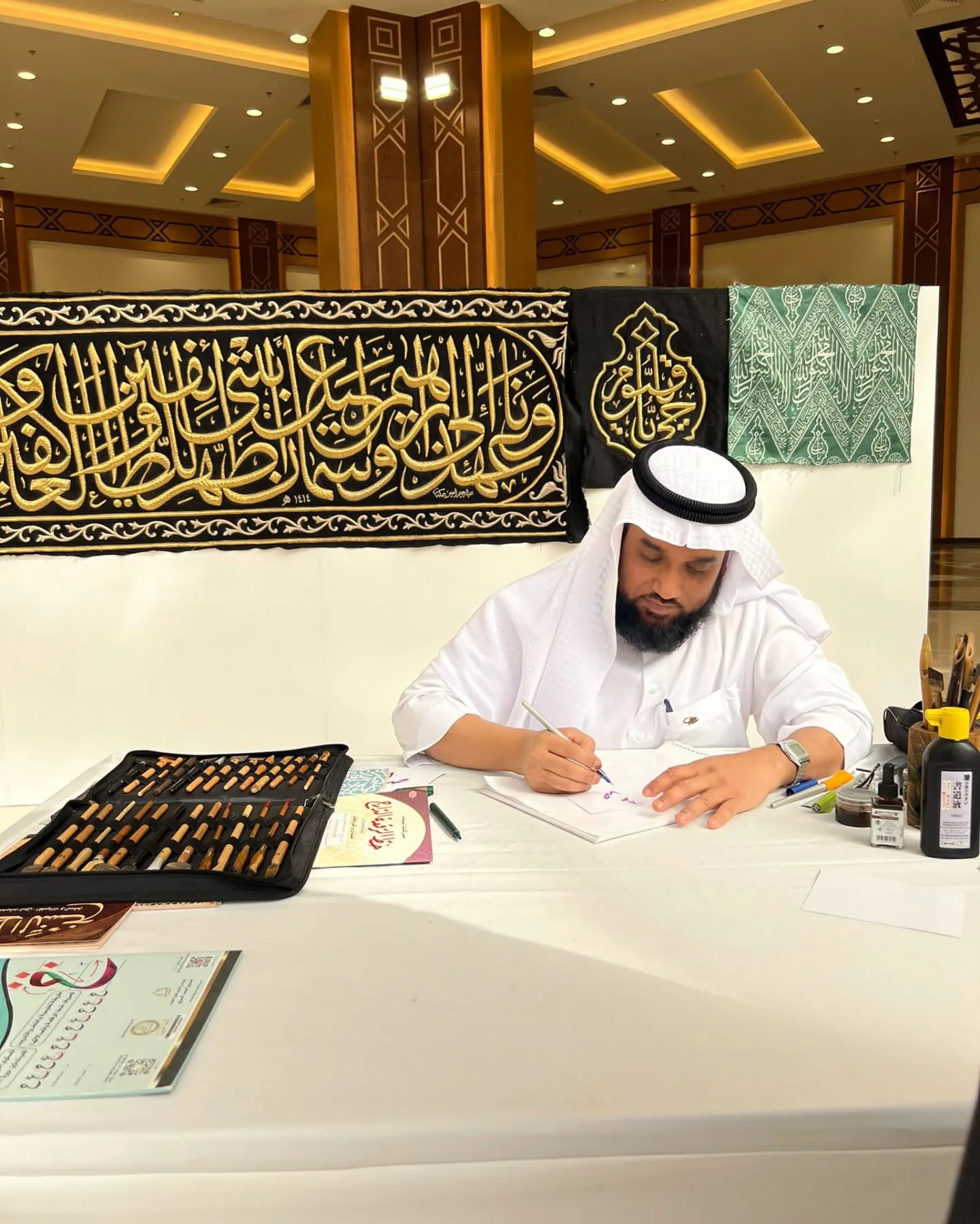
He increased the size of the letters and the width of the script, corrected the proportions between the circles, rectangles, and their frames, and improved the internal decoration of the door curtain and its surrounding frame.
He also brought the work into the digital age by introducing a specialised electronic calligraphy programme, using computer technology to raise the precision and consistency of the calligraphy applied to the Kiswa fabric.
A Life Rooted in Quranic Service
Alam’s work extends beyond calligraphy. In 1980, he joined the Charitable Association for the Memorisation of the Holy Quran in Makkah, where he taught for 13 years. He also taught for three years at Dar Al-Arqam Institute inside Masjid al-Haram (Grand Mosque), which operates under the same Quran memorisation body.
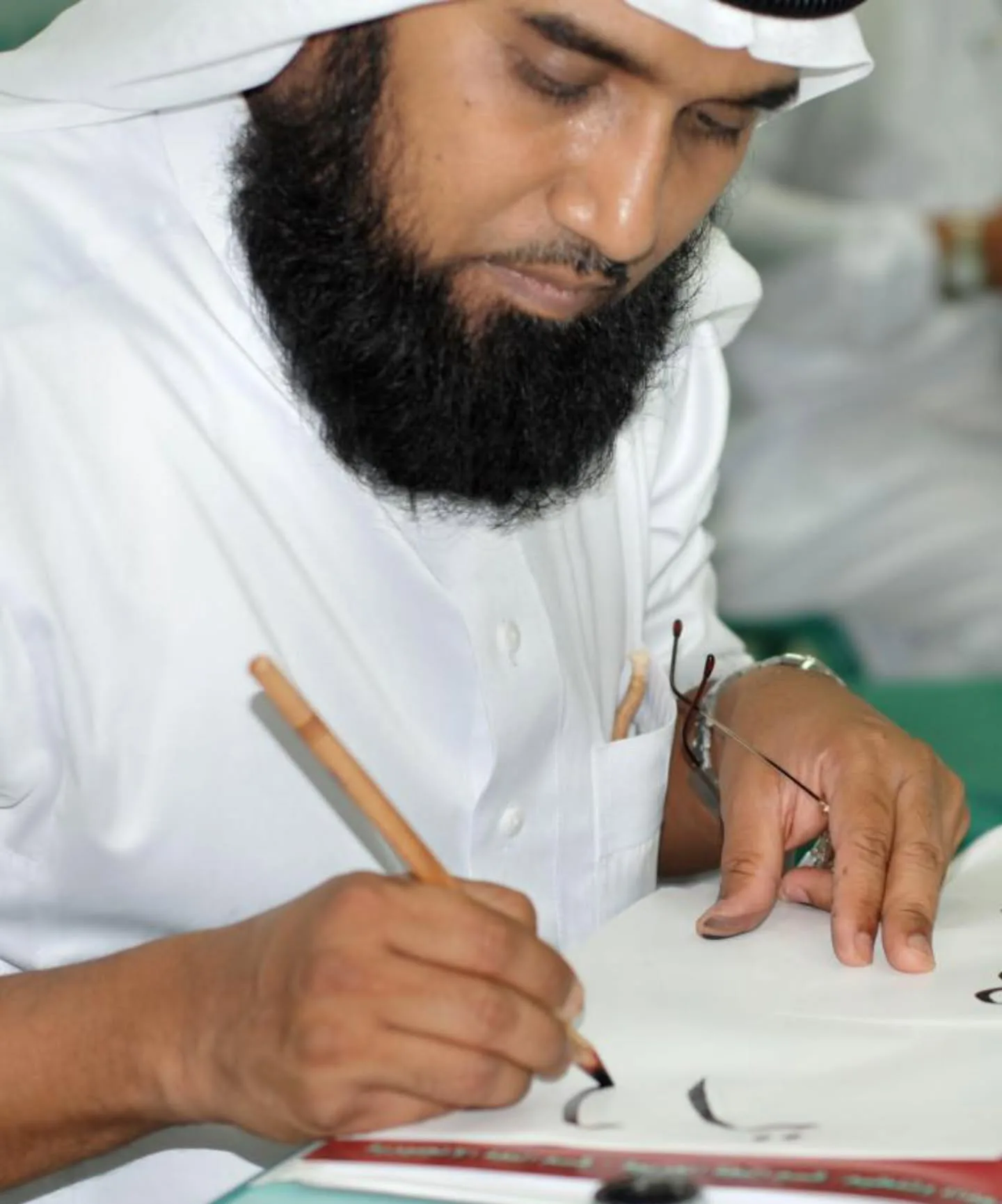
He holds two licences in the Holy Quran, received in 2002 and 2011 from Sheikh Fouad Mustafa — a student of Sheikh Ibrahim Al-Akhdar, former imam of Masjid an-Nabawi (Prophet’s Mosque) in Madinah.
Beyond that, he is a supervisor at the Charitable Association for the Memorisation of the Holy Quran in Makkah, an Arabic calligraphy counsellor at the Hands Craft Association in Jeddah, the founder of Jeddah’s Arabic Calligraphy Society, and a member of the Saudi Scientific Society for Arabic Calligraphy.
Awards and Recognition
Alam has received awards locally and internationally, including a prize for Persian calligraphy at the Second International Arabic Calligraphy Competition held in Turkey in 1989.
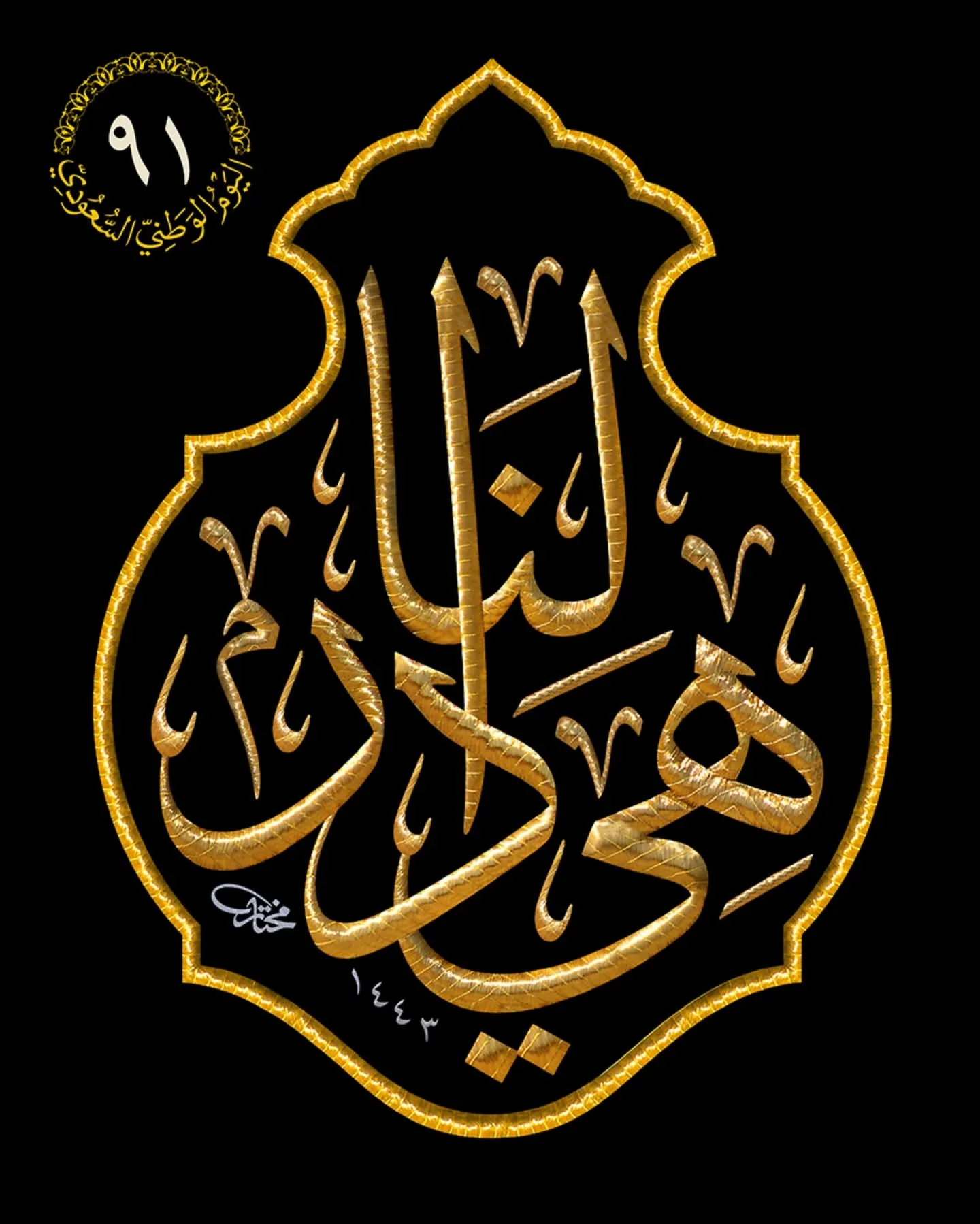
He served as deputy head of the judging panel for an Arabic calligraphy contest run by Dar Al-Arqam Schools in Jeddah from 2001 to 2014, and sat on arbitration committees for national and Makkah-level competitions from 2008 to 2014.
Saudi Citizenship
Saudi Arabia granted Alam citizenship under a royal decree that extended naturalisation to skilled foreign nationals across a range of fields.
The Imam of Masjid al-Haram (Grand Mosque) in Makkah held a reception in his honour and presented him with an award on the occasion.


 WhatsApp Channel
 ChatGPT
 Instagram
 Facebook
 X (Twitter)
 Claude
 Ask Gemini AI
 Ask Grok AI
Support the officially authentic Islamic website.
Support our mission to spread Islamic knowledge. Your donation helps our volunteer writers and infrastructure. Contribute now.

